
Table of Contents

Oxycodone is a strong pain medicine that doctors prescribe in Ireland and globally for moderate to severe pain. It can help people when it’s used for a short time, but it should always be closely monitored.
Oxycodone also comes with a high risk of dependence. Some people find that their use slowly increases, even when they started by following medical advice. Over time, this can lead to oxycodone addiction.
It can be effective for managing pain after surgery or injury, but it also carries a high risk of dependence. Some people find their use slowly increasing, even when they started by following medical advice exactly as given. Over time, this can lead to addiction.
At Smarmore Castle, we support people and families affected by prescription drug addiction, including problems linked to oxycodone and OxyContin. Understanding how oxycodone works and why it can be so hard to stop can help you make sense of what’s happening and find the right support.
At Smarmore Castle, we support people and families affected by prescription drug addiction, including problems linked to oxycodone and OxyContin.
Learning how oxycodone works and why it can be hard to stop can help you make sense of what’s happening and find the right support.
What is Oxycodone?
Oxycodone is a prescription-only medicine used to treat pain. It may be prescribed after surgery or an injury, or for long-term health conditions. It’s part of a group of drugs called opioids and comes as tablets, capsules, or liquid. However, Oxycodone is often considered more potent than morphine at equivalent doses.
In Ireland, oxycodone is prescribed under brand names like OxyContin. These are slow-release versions of oxycodone, which release the drug into the body over a longer time. However, this can still lead to OxyNorm or OxyContin addiction developing.
A report in the Medical Independent warns that opioid use in Ireland is rising. It states that strong painkillers like oxycodone can cause problems if used over a long period of time.
People often ask, “Is oxycodone an opioid or an opiate?” Oxycodone is an opioid. This means it’s a man-made drug. Opiates, on the other hand, come directly from the opium poppy, such as morphine.
The terms are often mixed up, but oxycodone is a synthetic opioid. This simply means it’s made in a lab to copy the effects of natural opiates.
How does oxycodone work in the body?
Oxycodone works by attaching to opioid receptors in the brain and spinal cord. These receptors control how pain signals are transmitted, so the pain feels less intense.
Oxycodone can also cause feelings of relaxation. Over time, the brain can start to rely on the drug to feel calm and normal. This is how physical dependence develops.
HSE guidance notes that opioids like oxycodone should be prescribed carefully. Doctors should monitor how the drug is used to lower the risk of side effects or addiction.
If you’re wondering, “How long does it take to get addicted to oxycodone?”, dependence can start within a few weeks of using it on a regular basis. This is especially true if doses get higher or the drug is taken for reasons other than pain relief.
If you’re wondering how long it takes to become dependent, it can happen within just a few weeks of regular use. The risk increases if doses rise or if the drug is taken for reasons beyond pain relief.

Get Help and Advice for Your Addiction Today
What are oxycodone side effects?
Oxycodone side effects can affect both the body and the mind. Side effects can appear soon after starting the medication or develop with repeated use.
Common oxycodone side effects include:
- Drowsiness or fatigue
- Constipation
- Headaches
- Stomach pain
- Nausea or vomiting
- Slowed breathing
- Dizziness or confusion
- Itchiness
Long-term use of oxycodone can affect a person’s mood. People may experience low mood, difficulty concentrating, lack of motivation, and problems sleeping.
Mixing alcohol and oxycodone can heighten these effects and also pose serious health risks, including slowed breathing (reduced respiration). This may result in the body being starved of oxygen very slowly, which can result in a loss of consciousness or a comatose state.
Is oxycodone addictive?
Yes, oxycodone is addictive. Even when taken as prescribed, it can lead to physical dependence and addiction. This is because the brain gets used to the presence of the drug over time, requiring larger amounts to get the same effect.
Signs of oxycodone addiction may include:
- Anxiety or irritability when doses are missed
- Needing higher doses to get the same effect
- Cravings between doses
- Taking the drug for reasons other than pain
- Difficulty stopping or cutting down
What are the oxycodone withdrawal symptoms?
Oxycodone withdrawal symptoms can begin when someone reduces or stops using the drug after taking it regularly.
These symptoms occur because the body has adapted to the drug and needs time to function without it.
Common oxycodone withdrawal symptoms include:
- Muscle aches and joint pain
- Anxiety or restlessness
- Sweating and chills
- Nausea or diarrhoea
- Sleep problems
- Strong cravings
- Heart palpitations
- Panic attacks
- Shaking
Oxycodone withdrawal is rarely life-threatening on its own, but can be risky without support or when combined with other substances.
People often feel strong cravings, anxiety, restlessness, or flu-like aches. Having professional support can make the process safer and more manageable.
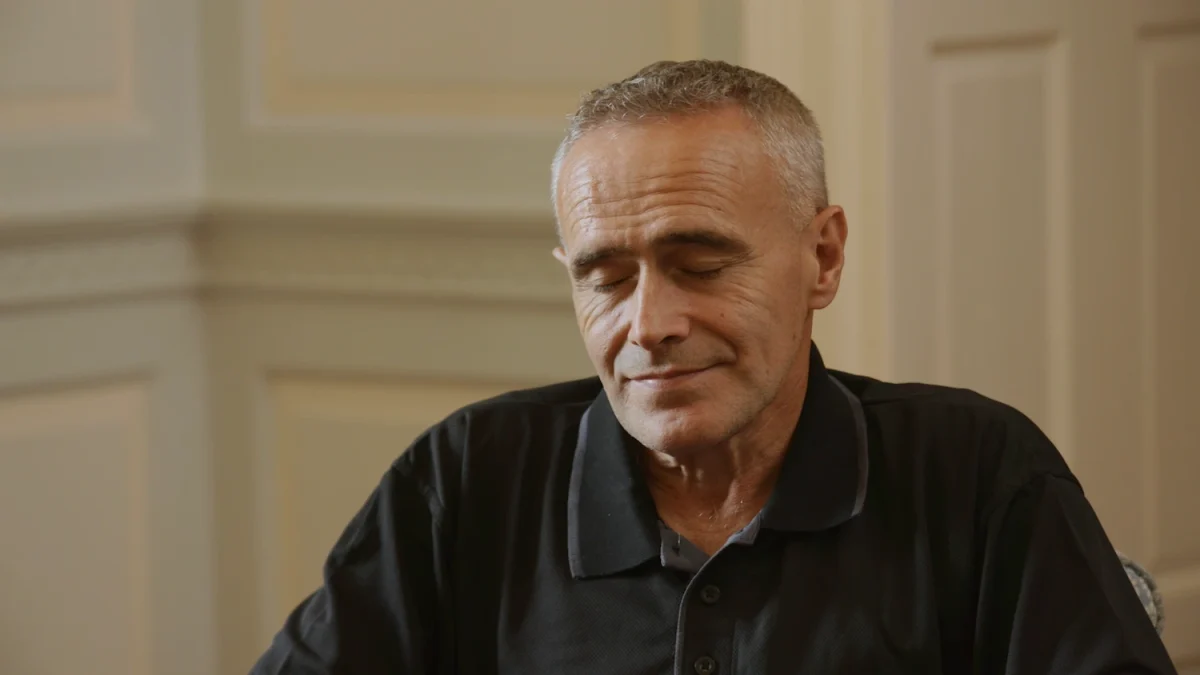
How long does oxycodone withdrawal last?
The withdrawal phase from oxycodone varies from person to person. How long it lasts depends on how long the drug was taken, the dose, and the person’s overall health.
Symptoms may start within hours or a few days after the last dose and can continue for days or weeks.
As a general guide:
- Early symptoms may start within 12–24 hours
- Symptoms typically peak within 2–4 days
- Most physical symptoms ease within 7–10 days
Some people experience ongoing low mood or cravings for a long time after stopping oxycodone. This is why both prescription drug detox and ongoing therapies are important parts of the recovery process.
Treatment for oxycodone addiction
Recovery from oxycodone addiction is possible with the right support. At Smarmore Castle, treatment focuses on helping you stabilise, manage your symptoms, and providing ongoing care to help you stay on track.
Care may include:
- Medically managed detox: Our team manages withdrawal safely, helping reduce discomfort and health risks.
- Drug rehab programme: Patients follow a daily schedule during drug rehab to build healthy routines and habits.
- Evidence-based therapies: Our addiction therapy near Dublin helps people understand the reasons behind their drug use and develop new coping skills.
- Ongoing planning and aftercare support: After leaving the clinic, patients get continuing guidance through our aftercare programme to stay connected and prevent relapse.
After leaving the clinic, patients receive continuing guidance through our aftercare programme to stay connected and help prevent relapse.
We understand how distressing it can be to start taking a medicine for pain and then realise you might be addicted. Oxycodone changes how the brain works, and dependence can develop even when you follow instructions carefully.
At Smarmore Castle, our treatment addresses both your physical health and your mental wellbeing, giving you space to explore the root causes of addiction in a safe and supportive environment.
Oxycodone addiction affects the whole family, so we also offer support to loved ones, helping them understand what’s happening and how to cope.
If you’re considering getting help, our rehab admissions team can talk you through the next steps in a private, confidential conversation.
Quick Assessment & Admissions

Taking the next step
If oxycodone use has become difficult to control, you’re not alone. Help is available, and getting support early can make your recovery process easier to manage.
To speak with our team in confidence, contact us today. We can discuss treatment options and help you decide what support is right for you.
Oxycodone can cause serious side effects including seizures, breathing problems, and anaphylaxis.
Along with these short-term side effects, oxycodone can result in several long-term side effects. You could develop tolerance, which means that over time you’ll need more oxycodone to find the same relief. In addition, over a duration of time, some people can end up becoming more sensitive to pain. There is also the risk of developing an oxycodone addiction, which can lead to an overdose.
Speak to our team about treatment options
Frequently asked questions
-
What’s the difference between oxycodone and OxyContin?
Oxycodone is the name of the active drug. OxyContin is a brand name for a slow-release version of it. It releases the medicine gradually over several hours, while other forms may work faster.
-
Is oxycodone an opioid?
Yes. Oxycodone is an opioid. It works by changing how the body feels pain. It can also create feelings of calm or joy, which is why some people may become dependent on it over time.
-
Is oxycodone an opiate?
No. Oxycodone is a synthetic opioid, which means it is made in a lab rather than coming from the opium poppy. It works like natural opiates by acting on the brain’s opioid receptors to reduce pain.
-
Is OxyContin legal in Ireland?
Yes, OxyContin is legal in Ireland when prescribed by a doctor. However, it is tightly controlled due to the risk of OxyContin addiction and potential for misuse.
Contact Us Today
Start your Recovery Journey with Smarmore Castle Clinic