

Addiction treatment is a medical process, and a clinical response to a recognised health condition. It combines different evidence-based approaches, structured around your specific wants and needs.
At Smarmore Castle, we have a holistic approach to treatment. The first step of addiction treatment is a full medical assessment. Everything that follows is built around the individual patient.
Whether you’re researching for yourself or someone in your life, understanding what treatment involves can help you decide on what the right support is for you.
Not sure where to start?
Understanding addiction treatment in Ireland
-
Is what I’m experiencing a problem?
Ambivalence about whether a problem exists is one of the most common features of early-stage addiction. It’s often a signal that clarity is worth seeking, rather than a reason for delay.
Drug use is sufficiently widespread, that comparison to others offers little. Between 2022 and 2023, 17% of people aged 15 to 34 in Ireland reported using illegal drugs. In that context, the line between ordinary use and dependency can be difficult to identify from the inside
The indicators tend to be behavioural rather than comparative: patterns of use that feel less chosen than before, attempts to cut back that don’t hold, a growing sense that the substance is taking up more space than it once did.. -
Addiction treatment as a medical process
Addiction changes the way the brain works, but these changes respond to medical treatment; with each stage building on the last
Residential addiction rehab treatment follows a clear sequence. Detox helps your body through withdrawal safely, where that’s needed. Therapy works through the thinking and behaviour patterns that developed around the addiction. Continuing care supports recovery after you leave.
-
Medical detox – the first stage of residential addiction treatment
Detox is the first stage of treatment, not the whole thing. For some people, it is necessary before therapy can begin in full. For others, it may not be needed at all.
When someone stops drinking alcohol after a period of heavy, regular use, withdrawal symptoms can begin within eight hours and get worse over the next two days. In serious cases, withdrawal from alcohol can cause fatal seizures and severe symptoms called Delirium Tremens.
Drug detox and withdrawal varies depending on the substance and can also carry serious risks. For alcohol and substances like benzodiazepines, medical supervision during detox is always required.
At Smarmore Castle, detox takes place in a specialist medical unit with nursing care available around the clock. Medication is used to make withdrawal safer and more manageable. Not everyone will need it, and our clinical team decides on a case-by-case basis. Therapy begins during the latter stages of detox when you’re feeling ready. It happens in the same place as detox. There’s no gap in treatment, and you don’t need to move to unfamiliar surroundings.
-
Therapy at the heart of addiction treatment
With repeated use, the brain starts to treat a substance or behaviour as something it needs. It can also begin to associate certain situations and emotions with using drugs, alcohol, gambling or gaming. But, there are many types of therapy that address these emotional, psychological, social, and environmental aspects of addiction.
- Cognitive Behavioural Therapy (CBT) is a first-line treatment for addiction. CBT targets those associations directly, building the skills to manage triggers and find alternatives to using. Research shows CBT can reduce substance use and improve symptoms of co-occurring mental health conditions.
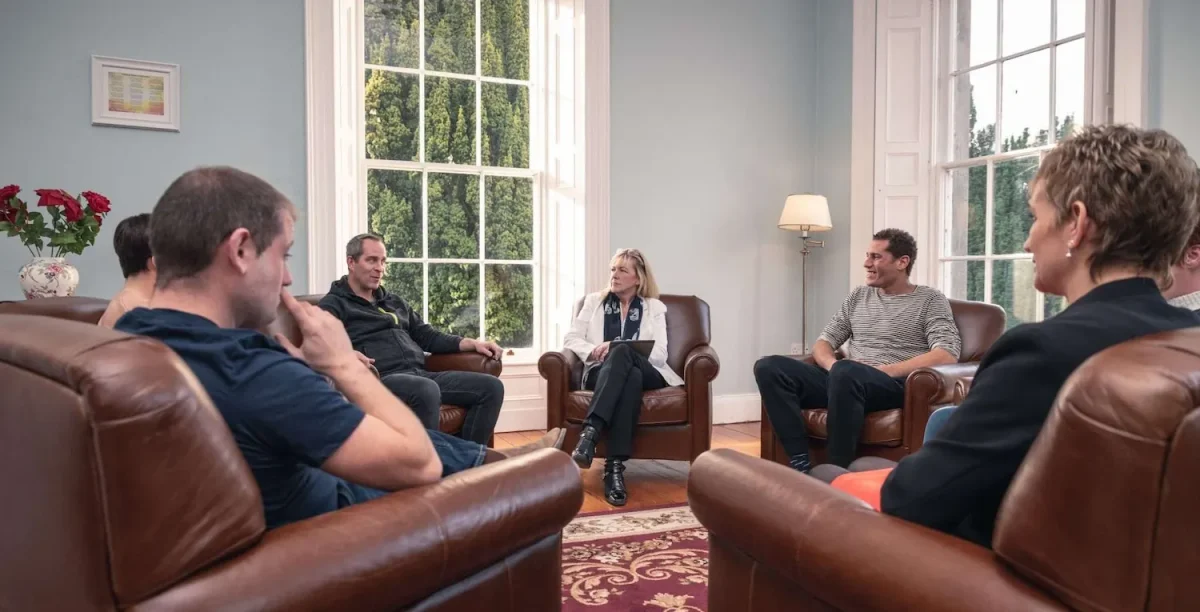
- Group therapy is a central part of the Smarmore Castle programme. Sessions provide peer connection, a shared framework for recovery, and accountability from the other people in the group.
- Individual counselling runs alongside group work, providing a chance to focus on individual recovery needs with a personal therapist.
- 12 Step facilitation is integrated throughout. It is designed to make the step into a 12 Step group like Alcoholics Anonymous easier after discharge. You can find out more about the full range of types of therapy available at Smarmore Castle.
-
Addiction and mental health – when both need treatment
Mental health conditions have been considered widespread in Ireland. Some research suggests over 40% of Irish adults meet the criteria for at least one mental health disorder. For many people, a mental health condition and addiction exist at the same time.
Anxiety, depression, and trauma-related conditions are common alongside addiction. Each condition can make the other worse, so treating only one of them seldom works in the long term.
At Smarmore Castle, mental health is assessed at the start of treatment. This allows us to create a plan so that both are treated at the same time, by one team.

“For treatment it’s just being open-minded, you know? And because I know for myself when I first come into treatment it was a fight. I fought against everything, you know. And anything I was taught I’d find a difference with it and it’s just, be open and willing to go through whatever needs to be done. It’s an amazing place. Even from when I was here for on my journey, and I would have been one of the only heroin addicts who was here you know. Even in the hopelessness that I was in, you know, I felt much different because it was around different people and from different levels of life.”
What types of addiction does Smarmore Castle treat?
Addictions We Treat
Alcohol Addiction | Drug Addiction | Heroin Addiction | Cocaine Addiction | Cannabis Addiction | Ketamine Addiction | Gambling Addiction | Work Addiction | Internet and Social Media | Prescription Drug Addiction | Diazepam Addiction
Smarmore Castle treats:
- Alcohol addiction
- Drug addiction; including cocaine, heroin, cannabis, ketamine, and prescription medication
- Behavioural addictions; including gambling, gaming, work, pornography, and internet and social media use.
Each person’s programme is built around a full assessment of their specific situation and needs.
-
How long does addiction treatment in Ireland usually last?
A typical residential programme lasts between four to six weeks. Some people stay longer, depending on their clinical needs. The length of treatment is determined by your progress and the recommendations of the clinical team.
Extended care is available where needed.
-
What is the difference between drug addiction treatment and alcohol addiction treatment?
At Smarmore Castle, the therapeutic programme for drug and alcohol addiction is largely the same. Both begin with a full assessment. Detox is managed according to the substance involved, as different substances carry different withdrawal risks. Once detox is complete, both follow the same evidence-based therapeutic programme.
-
Do I need a GP referral to access addiction treatment in Ireland?
No. You don’t need a GP referral to contact Smarmore Castle or to begin the admissions process. You can self-refer at any time. Involving your GP can be helpful, particularly for sharing medical history, but it’s not a barrier to accessing treatment.
What to expect from addiction treatment at Smarmore Castle
Meet the team
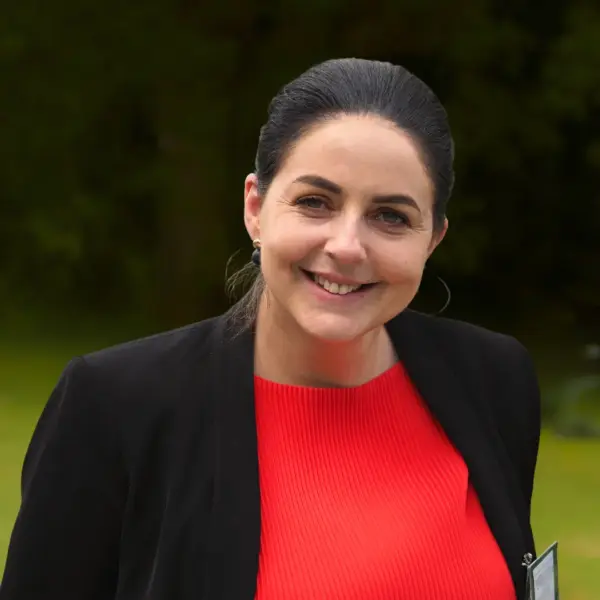
-
Your first contact – no pressure, no obligation
Making contact with Smarmore Castle doesn’t mean committing to treatment. It’s just the start of a conversation.
Our addiction assessment is free and confidential. The person you speak to will ask about your situation, your history, and what you are looking for. There is no obligation to go further. If you decide treatment is not the right step for you right now, that’s also fine.
Many people find that one conversation answers questions they have been carrying for a long time. That is what the assessment is for.
-
The admissions and assessment process
Once you decide to proceed, the admissions team will arrange a pre-admission call. A medical review follows to ensure the right level of care is in place from the moment you arrive.
On the day you arrive at Smarmore Castle, you’ll be met by a member of the team to help you get settled in. There will be an initial interview that day, covering your history and goals, and what the programme involves. You’ll be introduced to your therapist and to the other patients you’ll be sharing your time with. This helps build a sense of community.
-
Life during residential addiction treatment
The programme at Smarmore Castle runs to a structured daily timetable. The core of the day is made up of morning sessions, group therapy, and individual counselling. Evenings have a mixture of recovery meetings, peer time, and various activities.
The people you meet during treatment are an important part of the process. You can make connections, offer mutual support, and hold each other accountable.
Unstructured time is an important part of the programme. Recovery means that you’ll have a lot of time that was previously used up by addiction. Our team will help you learn to manage time without a substance or behaviour.
Download our Brochure
Find Us
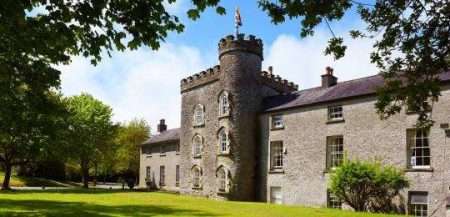
Smarmore Castle Clinic, Near Ardee, County Louth, Ireland A92 YY22
If someone in your life needs addiction treatment
-
How addiction affects the people around the person
Addiction doesn’t only affect the person afflicted. The people around them often spend a long time managing the situation privately, unsure whether to say something or how.
It can be exhausting, and tends to go on longer than it should because nobody wants to make things worse. But the situation is not likely to improve without professional help.
-
How to talk to someone about getting help
If you’ve decided it’s time to say something, timing still matters. Bringing it up in a moment of crisis or conflict is likely to put them on the defensive straight away.
Say what you’ve seen rather than what you think the problem is. Someone who feels heard is more likely to keep talking than someone who feels judged.
You don’t need to have a solution ready. If they’re open to it, you could show them this page, contact Smarmore Castle together, or simply let them know that you’re there when they’re ready.
-
How families are involved in addiction treatment at Smarmore Castle
At Smarmore Castle, families are involved in treatment from the start. Online family workshops run during the residential part of treatment and are included in the cost.
Joint sessions with the person in recovery become available as things progress. These give the whole family a way to work through what’s happened together, with a therapist present and leading the conversations.
After the residential stay ends, a monthly support group keeps families connected to others who understand what they’ve been through.
Schedule Your Assessment
If you or a loved one are struggling, our team is here to help – contact us in confidence today.
Frequently asked questions about addiction treatment in Ireland
-
What are the best addiction treatment centres near me in Ireland?
The right treatment centres offer medically supervised detox, evidence-based therapy, and structured continuing care. Accreditation, consultant-led care, and a clear assessment process are also indicators of quality.
Smarmore Castle is an alcohol and drug addiction treatment centre in County Louth, one hour from Dublin and Belfast. We are accredited by CHKS and ISO 9001 and operate a consultant-led programme. A free addiction assessment is available to anyone considering treatment.
-
Which addiction treatment programmes offer online support in Ireland?
Smarmore Castle’s continuing care programme includes weekly online sessions, teletherapy, and a 12-month online support group after discharge. Online family support is also available. The online element maintains the progress made during residential treatment.
-
How can I find affordable addiction treatment services in Ireland?
The cost of private addiction treatment varies depending on the length of stay and the level of care. Treatment at Smarmore Castle can be funded privately, through the HSE, or through health insurance including VHI. You can find out more about funding options on our rehab cost page.
-
What is the average cost of inpatient addiction treatment in Ireland?
Costs vary depending on the programme and length of stay. Smarmore Castle can discuss costs confidentially as part of the free assessment process. Health insurance and HSE funding may cover part or all of the cost depending on your circumstances.
-
How to start a referral process for addiction treatment in Ireland?
You can start by contacting Smarmore Castle directly to arrange a free, confidential assessment. The admissions team will guide you through what is needed. If your GP is involved, sharing your medical history in advance helps the team prepare for your arrival. There is no fixed referral form or waiting list.
-
Is online addiction support available in Ireland?
Yes. For people who are not yet ready for residential treatment, online support is available in Ireland. The HSE and a range of community organisations provide telephone helplines and online counselling. Smarmore Castle also offers teletherapy and online group sessions as part of its continuing care programme for those who have completed residential treatment.