
Ketamine has been part of the Irish nightlife scene for years, but its use is changing. Data was received from the HSE Safer Nightlife Programme from across four festival events in 2022 and 2023. It found that ketamine was the second most commonly surrendered substance after ecstasy, ahead of cocaine.
Ketamine isn’t just being used during events. Results from the European Web Survey on Drugs 2021 suggested that ketamine use in Ireland was much higher than the proportion reported across the other 30 participating countries. This was quoted in a report by Drugnet Ireland.
What these figures tell us is that ketamine use is more common than many people think. For some, recreational use will become something much more severe.
Many people who develop a dependence on ketamine don’t think it’ll become an addiction. Unlike alcohol or heroin, ketamine is not widely understood as a drug that causes addiction, which means many people seek ketamine addiction treatment later than they should. This is often after severe and long-term physical damage has already begun.
If you’re reading this for yourself or for someone you care about, this page about ketamine addiction treatment will help provide information about our detox, therapy, and aftercare programmes available at Smarmore Castle.
Looking for Rehab from Ketamine Dependence?
Learn More About Addiction to Ketamine
Find out more about ketamine, what it is, the signs and symptoms, and its impact across Ireland.
What is ketamine addiction treatment?
Ketamine addiction is real, and its consequences are too, but treatment in early dependence can make a difference to recovery.
Ketamine addiction treatment begins with medical assessment and a supported detox, but the heart of the programme is psychological therapy.
Ketamine is sometimes thought of as a recreational drug with a low risk of addiction. But using it repeatedly quickly changes how the brain processes reward and stress. Dependence can develop without the person realising it’s happening. Ketamine is a controlled drug in Ireland that can cause serious physical and psychological harm with regular use.
Ketamine bladder: what it is and why it matters
One of the most serious physical consequences of long-term ketamine use is damage to the bladder and urinary tract.
Ketamine and the waste products it leaves behind in your body can attack the lining of your bladder over time. This may cause it to become inflamed and scarred. Doctors call this “ketamine bladder”.
Symptoms include:
- Frequent and urgent urination
- Pain in the lower abdomen
- Blood in the urine
- A significant reduction in bladder capacity.
In severe cases, the kidneys can also be affected. Bladder damage from ketamine can be irreversible if use continues once symptoms develop.
Early symptoms are sometimes dismissed as a urinary infection. If you or someone you know has been using ketamine and has experienced urinary pain or urgency, it’s important to seek medical advice.
If you are still using ketamine, stopping is the most urgent thing you can do for your bladder. Your doctor or our admissions team can advise on the safest way to do that.
If significant scarring has developed, urological treatment will be needed alongside your addiction care.
At Smarmore Castle, a physical health assessment at admission includes urinary health screening.
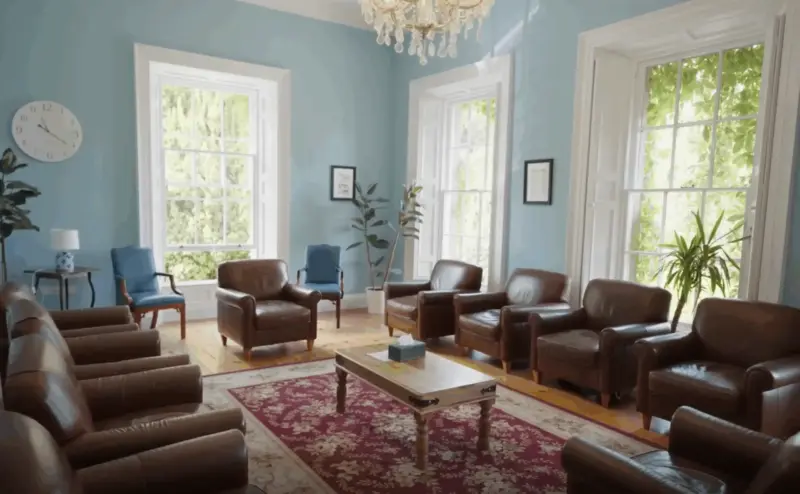
At Smarmore Castle residential rehab centre, patients receive professional support from an experienced team in an environment that is designed to provide comprehensive treatment for ketamine dependence in Ireland. Treatment is grounded in understanding the psychological aspects and root causes of ketamine misuse, with a focus on lasting recovery. The programme explores any root causes of addiction to ketamine, including underlying psychological factors and life stressors, to support long-term sobriety.
Do I need rehab for ketamine addiction?
Ketamine dependence does not always look the way people expect. Ketamine addiction symptoms during withdrawal are primarily psychological rather than physical. Many people minimise what they are experiencing or tell themselves they could stop if they chose to. The difficulty stopping is itself a sign that professional support would help.
Common signs that ketamine addiction rehab may be the right next step include:
- Using more than you planned to
- Finding that your tolerance has increased significantly
- Continuing to use despite physical symptoms such as urinary pain
- Memory problems
- Low mood
- Feeling that your use is affecting your relationships, work, or daily life
You don’t need to have reached a crisis point to ask for help. Earlier treatment generally leads to better outcomes. This can be true where physical harm, such as damage to the bladder, hasn’t yet developed or is in its early stages. If you’re unsure whether what you’re experiencing counts as addiction, a free confidential assessment with our team can help you understand your options without any obligation to proceed.
Families and partners can also contact us directly. You may have noticed rapid changes in someone’s behaviour, physical health, or mood. If you suspect ketamine may be involved, we can talk you through what the signs mean and what support is available.
Ketamine withdrawal and detox
When someone who has been using ketamine regularly stops, they are likely to experience withdrawal. Unlike alcohol or opioid withdrawal, ketamine detox and withdrawal don’t typically cause severe physical symptoms. The psychological effects can be significant and are one of the main reasons people return to use in the early days of stopping.
The first few days experiencing ketamine withdrawal symptoms are usually the hardest, with cravings, low mood, and disrupted sleep. How intense these symptoms are depends on how long you’ve been using them and how much.
Medical supervision during ketamine detox matters because these symptoms are real and can be difficult to manage alone. Our medical team at Smarmore Castle monitors your comfort and safety throughout detox. Medication can be provided where it is clinically appropriate to ease the symptoms.
Detox clears ketamine from your system. Therapy begins immediately after, focused on understanding what drove your use and building the tools to sustain your recovery.
Learn More About Ketamine Detox and Withdrawal
Worried about withdrawal symptoms? Learn how to manage them safely and start your path to recovery
Ketamine addiction treatment at Smarmore Castle
Smarmore Castle has been providing residential drug and alcohol addiction treatment since 2015. Residential means you stay on site for the duration of your programme. Clinical support will be available at any hour. Addiction doesn’t keep office hours. That’s why we provide round-the-clock support during your stay.
Assessment
Every person who comes to Smarmore Castle begins with a comprehensive clinical assessment.
Your assessment covers more than your ketamine use. We’ll ask about your physical health, including any urinary symptoms, and your mental health. We’ll also explore what your life looks like at home and at work. All of it matters when we’re putting your programme together.
If you’ve been using ketamine for some time, your assessment will look different from someone who hasn’t. Bladder health, mental health, and how long you’ve been using all affect what your programme needs to include.
If you have a co-occurring mental health condition alongside ketamine dependence, our dual diagnosis approach means both are treated and supported together.
Detox support
For those who require it, detox at Smarmore Castle is medically managed. You’re monitored by nursing staff throughout. A doctor is available if your symptoms require clinical intervention. Medical supervision continues until your clinical team is satisfied it’s safe to step down.
Our clinical and therapeutic staff work together from the beginning, so the transition from detox into therapy is gradual and supported.
Therapy and treatment
The core of ketamine addiction treatment at Smarmore Castle is psychological therapy. Cognitive Behavioural Therapy (CBT) is central to our programme. CBT works by helping you identify the thoughts, feelings, and situations that led to your use. It helps develop practical responses to them. In practice, this might mean working through a specific trigger, a social situation, a period of low mood, and a stressful environment. It’ll help you develop the tools to manage all of these carefully.
Group therapy runs alongside individual sessions. Many people find that hearing others’ experiences reduces the isolation that comes with addiction. Group sessions at Smarmore Castle are run by experienced therapists and follow a structured format.
We also use 12 Step facilitation as part of the programme. The 12 Step model has strong evidence behind it. A Cochrane review analysing 27 studies involving 10,565 participants found 12 Step programmes to be more effective than other established treatments for maintaining abstinence.
Mindfulness and yoga are available alongside clinical therapy. Mindfulness and breathwork are scheduled alongside CBT because nervous system regulation affects how well therapy lands.
Where trauma is part of your history, our therapists are trained in trauma-informed approaches. We don’t require you to disclose or process trauma before you’re ready.

Why choose Smarmore Castle for ketamine treatment in Ireland?
Smarmore Castle is part of Castle Health, a group with a combined clinical heritage spanning more than 30 years across Castle Craig Hospital in Scotland and Smarmore Castle in Ireland. Our approach to addiction treatment is built on evidence and shaped by clinical experience of what actually works.
Smarmore Castle exists for one purpose: addiction treatment. Every aspect of our clinical programme, our staffing, and our environment is designed with that in mind.
Our team includes addiction psychiatrists, therapists, nurses, and support staff working within a shared clinical framework. Trauma-informed counsellors and wellbeing specialists work alongside them.
If you’ve been using ketamine regularly, there is a good chance your physical health has been affected, even if you haven’t noticed symptoms yet.
Book a Free Ketamine Assessment Today
Taking the first step and asking for help can feel daunting, but our team is here to assist you.
What happens after ketamine rehab?
Recovery doesn’t end when you leave Smarmore Castle. The months after you leave can provide challenges that you didn’t face in rehab. That isn’t a failure of treatment. It’s why your aftercare plan matters just as much as your programme.
Before you’re discharged, your clinical team puts together a personalised aftercare plan. This includes recommendations for ongoing therapy, peer support options such as Narcotics Anonymous Ireland. They will also give you guidance on managing specific situations or triggers that your time in treatment has identified. We will also connect you with our outpatient treatment service for ongoing therapy and support.
Smarmore Castle provides aftercare as part of your treatment for a period following discharge. This means you have access to continued contact with the team during the period when support matters most.
If you choose, you’ll also be connected with our alumni network, where we provide recovery resources and connect you with like-minded people via support groups and ongoing therapy.
The first months after discharge look different for everyone. Your aftercare plan is built to support you through whatever you need in the weeks and months after you leave residential rehab.
If you return to using ketamine after leaving Smarmore Castle, please contact us. Relapse can happen, but it doesn’t mean your recovery is over. It means we need to look at what happens next and adjust the support we provide.
Former patients and families can contact us after discharge. There is no time limit on that.
You can read more about the full continuum of care available at Smarmore Castle’s addiction treatment page.
Find Us
Self-Help Resources Near You
Free support groups are available across Ireland for anyone affected by substance use. These confidential spaces offer you the opportunity to share your experiences with others who understand what you’re going through, while also helping you build supportive connections. You can learn more about accessing local meetings through Narcotics Anonymous, Ireland (NA), or you can find more information on ketamine on the Health Service Executive website.
Frequently Asked Questions
-
Can you detox from ketamine at home?
Some people do stop using ketamine without residential support. But home detox carries real risks, particularly if your use has been heavy or prolonged. Psychological withdrawal symptoms, including severe anxiety, low mood, and intense cravings, can be very difficult to manage without clinical support.
If there are co-occurring mental health conditions, these can worsen during withdrawal. Medical supervision during detox improves safety and significantly increases the likelihood of completing detox without returning to use.
-
How long does ketamine detox take?
The acute phase of ketamine withdrawal typically lasts between three and seven days for most people. Psychological symptoms such as cravings and low mood can persist for several weeks beyond this.
The length of your overall treatment programme is determined by your clinical assessment rather than the detox timeline alone.
-
How much does ketamine rehab cost?
The cost of residential ketamine rehab at Smarmore Castle depends on the length of your programme and your individual treatment needs.
A four-week residential programme typically ranges in cost depending on what your programme looks like. Full details are provided transparently before your stay begins.
Treatment can be paid for privately or via private health insurance. We work with insurers, including VHI and Geo Blue. We recommend contacting both your insurer and our admissions team to understand what your policy covers.
We also accept patients referred to us through the HSE.
Call our admissions team today on 041 986 5080
Schedule Your Assessment
If you or a loved one are struggling, our team is here to help – contact us in confidence today.