


Drug addiction is a recognised medical illness. It’s a chronic and progressive condition, meaning it doesn’t resolve on its own and tends to get worse without treatment. The brain also changes, physically, with repeated drug use. So, once dependency takes hold, stopping without professional support is genuinely difficult.
Drug addiction can involve illegal substances, prescription medications, or alcohol. It affects people of every age and background, and has nothing to do with character.
The first step to recovery means understanding why drug addiction develops, the signs to look out for, and what addiction treatment might involve.
Have a question about drug addicton?
What is drug addiction? Understanding the signs, causes and effects
The definition of ‘drug addiction’ involves the compulsive use of substances despite the harm it’s doing. Most of us have an idea of what drug addiction looks like – though there are many common misconceptions. But, how people become addicted and why it’s so hard to stop without help, is less widely understood.
Drug addiction as a medical illness – not a moral failing
Addiction is a form of chronic brain disease. The clinical diagnostic systems listed in ICD-11 and DSM-V describe drug addiction as “substance dependence” or “substance use disorder”, but the terms are essentially the same as addiction.
Doctors and scientists agree that addiction develops progressively, and for many people it involves episodes of relapse. These are universal features of chronic illnesses, such as diabetes or arthritis.
And like those conditions, addiction responds to the right clinical care.
How does drug addiction develop? From first use to dependency
Dr George Koob, Director of the National Institute on Alcohol Abuse and Alcoholism.
“A common misperception is that addiction is a choice or moral problem, and all you have to do is stop. But nothing could be further from the truth.”
Dependency develops through a neurological process, shaped by a person’s circumstances and history. The brain has a reward system designed to reinforce behaviour it considers beneficial. When something pleasurable happens, it releases dopamine, a chemical that creates satisfaction and encourages repetition. Drugs produce a dopamine response far more powerful than any natural reward.
Research suggests this surge can be up to 10 times stronger than anything the brain generates on its own. The brain registers this surge and seeks to repeat it by encouraging you to use the same drugs again.
But with repeated use, the brain adapts by becoming less sensitive to dopamine. To feel the same effect, you need more of the substance. That’s called tolerance, and it’s how recreational use escalates and can progress to dependency.
At a certain point, continued use is no longer primarily about feeling good. If you stop using or cut down on how much, you experience withdrawal symptoms. These can be unpleasant and dangerous, so you keep using just to avoid them.
As dependency deepens, changes occur in the prefrontal cortex. That’s the part of the brain responsible for decision-making and impulse control. Under normal circumstances, it’s what would help a person recognise harm and resist it. Sustained drug use affects this capability.
This is why good intentions alone are rarely enough. The part of the brain most needed to support recovery is the part that has been most affected.
What are the signs of drug addiction?
Noticing any of these signs, in yourself or in someone in your life, is not always easy. But if any of this sounds familiar, our drug addiction treatment page explains what getting help looks like.
Drug addiction tends to show in three areas:
-
Physically
Signs of drug addiction can include disrupted sleep and a decline in personal appearance and hygiene. Energy levels can go up and down, and a person may look increasingly unwell.Depending on the type of drug addiction, an individual may get muscle aches, twitches, headaches, a runny nose or an upset stomach.
-
Emotionally
Mood tends to become harder to predict, and people often become anxious and irritable. Depression is common alongside sustained use. The two can make each other worse, creating a cycle that becomes harder to break without support. Some people experience paranoia, particularly with stimulant or heavy cannabis use. Others feel a growing sense of shame about the situation and the behaviour addiction is causing.
-
Behaviourally
The pattern usually involves life getting smaller. Things that used to be important or interesting are given up or neglected. Relationships and daily routines become harder to sustain, and people become more secretive and dishonest. The clearest sign is continuing to use drugs despite clear harm to health or relationships, which is a commonly given definition of addiction.
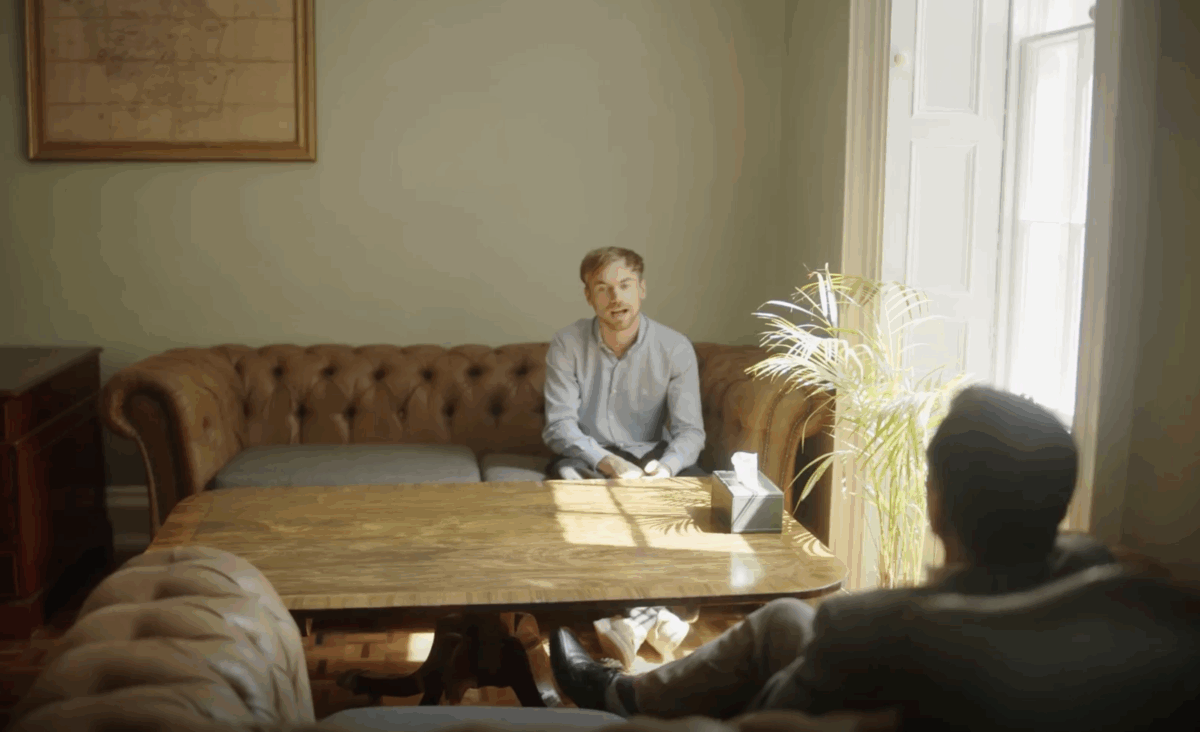
“Everyone’s the same throughout it. The staff were absolutely lovely, you know, they were very kind, caring, and understanding. And I don’t think there’s anywhere in Ireland that has the same facilities as Smarmore Castle. Not that it’s all about the facilities, but the programme that’s on over here, you know, it can be tailor-made, which is why we do the biopsychosocials and the assessments to where some therapies can be tailor-made, which I found very, very beneficial, which is what attracted me to when I first started looking around.”
– Anthony Deegan, former patient and Recovery Advocate at Smarmore Castle
What causes drug addiction? Risk factors and who is affected
Drug addiction does not discriminate, and no single factor determines whether someone develops dependency. Research has identified several that increase the risk, and many people have a mixture:
- Existing mental health conditions, including depression and anxiety, play a role. This is a major factor in the development of both addiction, and why recovery is so difficult.
- Starting to use drugs in adolescence carries a greater risk, partly because the brain is still developing during those years.
- Academic pressure and prolonged use of prescription drugs are common contributing factors for young adults.
- Peer influence is among the strongest risk factors at any age.
- Family history and genetics also raise risk. Someone with a close relative who has experienced addiction has a higher chance of developing it themselves.
- Major life events and high-stress circumstances are associated with increased vulnerability in adults.
Understanding and addressing these underlying causes is one of the most important parts of treatment for drug addiction.
How drug addiction affects the brain
Substance use alters the brain circuits responsible for many key functions.
Memory and focus are frequently affected by various types of drugs. For example, many cannabis users appear forgetful. Emotional control can suffer too, leading to responses and reactions that are out of character or don’t fit the situation. This is often seen with cocaine, where people become aggressive or even violent.
These are neurological changes, and many begin to improve with treatment. The earlier this begins, the better the chances of recovery.
Types of Drug Addiction We Treat
- Cannabis Addiction
- Cocaine Addiction
- Heroin Addiction
- Ketamine Addiction
- Crack Addiction
- Crystal Meth Addiction

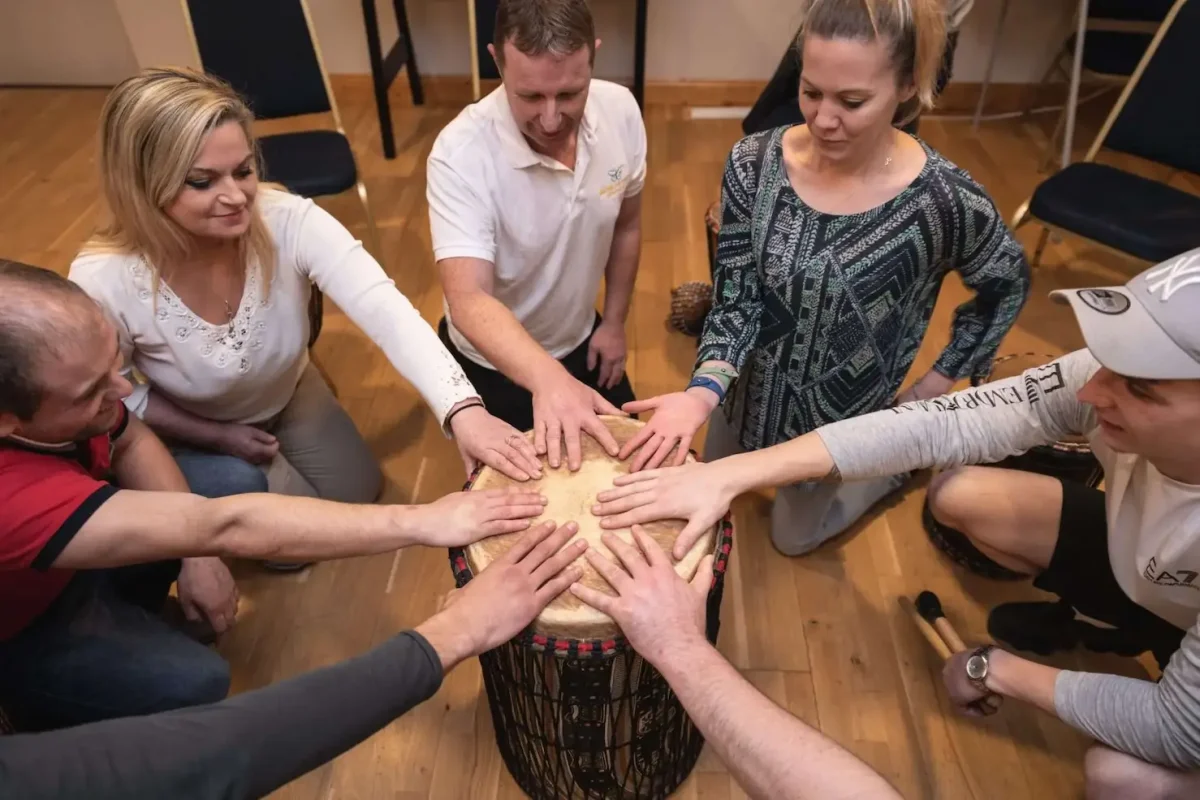
Drug addiction help at Smarmore Castle: what treatment involves
Getting drug addiction help at Smarmore Castle starts with a confidential assessment. We use it to understand your situation and work out what level of support is right for you.
From there, treatment is built around you. The assessment determines the right starting point, whether that’s medically supervised detox or moving directly into the residential programme. Our team is available to answer questions at any stage.
You can also read more about our approach to treatment.
Drug addiction and mental health: understanding dual diagnosis
For many people, drug dependency and mental health conditions exist alongside each other. Conditions such as anxiety and depression frequently co-occur with addiction, as does a history of trauma. This is known as dual diagnosis.
The relationship can run in both directions. Some people begin using substances to manage symptoms of a mental health condition they may not yet have identified. This may provide short-term relief, but it doesn’t do anything for the underlying condition.
When a mental health condition is present alongside dependency, treating one without addressing the other tends to make lasting recovery less likely.
At Smarmore Castle, our clinical team looks for co-occurring conditions when you first come to us, so we can treat both together from the start.
Drug detox and withdrawal: what to expect
For many people, the prospect of withdrawal makes seeking help feel impossible or frightening. But understanding what drug addiction detox actually involves can make starting detox less daunting.
Drug detox is the process of removing substances from the body under medical supervision.
For people with a physical dependency, drug addiction withdrawal symptoms arise as the body readjusts. These vary depending on the substance and degree of dependency, but can include disturbed sleep, nausea, sweating, muscle aches, and mood changes.
Drug addiction withdrawal can be uncomfortable, and in some cases it can be severe. For some substances, alcohol and benzodiazepines in particular, withdrawal without medical supervision can be dangerous and even life-threatening.
At Smarmore Castle, drug detox is the first stage of residential treatment for those who need it. Detox is managed by a medical team throughout, and medication is given where needed to reduce discomfort and keep the patient as safe as possible. Once complete, the therapy programme begins, and includes a range of evidence-based approaches.
Leaving the residential programme is a milestone, but recovery is rarely linear, and drug addiction relapse is a tough but common part of managing a chronic condition.
That’s why continuing care supports your recovery after you leave so you don’t have to manage the transition alone.
If someone in your life is affected by drug addiction
Watching someone in your life develop a difficult relationship with drugs is hard for anyone. Knowing how to start a conversation, or how to help without enabling drug use, are questions without easy answers.
We have more addiction resources that include practical guidance on both.
The best approach is usually to sit down with them and explain what you’ve seen when they’re calm and haven’t been using. You can show them this page and offer to help them find treatment.
How drug addiction affects relationships and the familial constellation
Addiction is often described as a family illness, because everyone can be affected.
Trust is often among the first things to change. Secretive behaviour and unpredictability can create real distance between previously close people. Financial pressure and the effort of trying to help someone who may not yet be ready to accept it can add further strain to relationships.
Smarmore Castle’s family programme helps family members understand what addiction is and start rebuilding what dependency has damaged. Family therapy sessions are available during the residential programme, and online workshops for close family members are covered within the cost of treatment.
If the person in your life is not yet in treatment or not ready to talk, our team is still available to answer your questions at any stage.
Frequently asked questions about drug addiction
-
Can drug addiction be cured?
With the right treatment and ongoing support, many people achieve long-term recovery and lead full, stable lives. The potential for relapse remains, as it does with other chronic conditions. At Smarmore Castle, treatment aims for lasting recovery. We set realistic expectations because recovery is a long-term process.
-
Can drug addiction cause schizophrenia?
Some drugs, including cannabis and cocaine, can trigger psychotic episodes in some people. In some cases, sustained use has been linked to longer-lasting psychotic symptoms. The relationship between drug use and conditions like schizophrenia is complex. If you or someone in your life has experienced psychotic symptoms alongside drug use, a proper assessment is needed.
-
Can drug addiction run in the family?
Research suggests there’s a genetic component to addiction. If addiction runs in your family, you may have a higher chance of developing it yourself. This doesn’t mean addiction is inevitable for someone with a family history of it. Genetics is one factor among several, and it’s something we look at as part of your assessment.
-
What are the residential drug rehab options in Ireland?
Ireland has a small number of private drug addiction treatment centres, as well as publicly funded options. Smarmore Castle is a private residential clinic in County Louth. We offer supervised detox and a structured treatment programme.
How long you stay depends on you, but programmes typically begin at four to six weeks.
-
How do I find a private addiction clinic near me in Ireland?
The most direct route is to contact a clinic for a confidential conversation, or to speak to your GP about a referral. You can request a complimentary addiction assessment from Smarmore Castle at any time.
-
Which online support groups can help with drug addiction recovery?
A number of groups run peer support for drug addiction recovery, both online and in person. Narcotics Anonymous (NA) runs meetings across Ireland and worldwide, based on a 12 Step programme.
SMART Recovery takes a practical, skills-based approach and also runs online. Both are free to attend. Peer support works best alongside clinical treatment, and our team can help you find what is available in your area.