

Many who live with gambling addiction have spent months, sometimes years, telling themselves that next week they’ll stop. And every time, they have meant it.
The people around them often see it before they do; partners notice the money moving between accounts, families notice the late nights, friends notice the withdrawal.
Find out more about what gambling addiction is, how it can manifest, what gambling treatment in Ireland involves, and where to start if you’re ready to ask for help.
Are you concerned about your gambling?
What is gambling addiction?
Gambling addiction is a recognised behavioural addiction. It describes a pattern of betting or wagering that you can’t stop – even when it’s harming your finances, your relationships, or your mental health.
The frequency of problem behaviour can vary. Some people gamble heavily once a week and feel out of control between sessions. Others gamble in short, intense bursts when stress builds up. It’s the pattern that matters more than the frequency.
The Citizens Information service in Ireland defines it simply: if you cannot control your need to gamble despite the effect it has on your own life and the lives of your family, you may be living with a gambling addiction.
-
Is gambling addiction a mental health condition?
Gambling disorder is recognised as a mental health condition in two of the main international diagnostic manuals, the DSM-5 and the ICD-1. So, healthcare professionals treat it as a medical condition, never a moral failing or a lack of willpower.
-
Gambling disorder and the brain
When you gamble, your brain releases dopamine – a chemical messenger involved in reward and motivation. Over time, repeated gambling changes how this reward system works.
A 2018 review found that gambling disorder shares clinical and brain-level features with substance addictions, including amplified dopamine release. The anticipation of a possible win releases dopamine, not just winning itself. The expectation of a reward is enough to trigger the response.
This explains why those living with the condition might find stopping so hard. Their brain has learned to expect a biological reward from the act of gambling itself, and that learned response takes time and the right support to undo.
It also explains why gambling addiction so often appears alongside other conditions like substance use disorders, or mental health challenges. The same reward circuits are involved. At Smarmore Castle, we treat these conditions together rather than separately, which is one of the reasons our addiction treatment approach works so effectively.
How widespread is gambling addiction in Ireland?
Gambling addiction in Ireland is far more common than most people realise. According to the Economic and Social Research Institute (ESRI), one in 30 adults in Ireland had been living with a gambling addiction – 10 times higher than the previous estimate from 2019.
A further 279,000 adults show moderate signs of a gambling addiction, meaning they’re experiencing several negative effects from their gambling.
The ESRI research found that people under 50 have higher rates of gambling addiction, with those in their 30s most affected. Men are more likely than women to develop a gambling addiction, and rates are lower among people with higher levels of education. But this doesn’t mean women are unaffected. Women often keep their gambling activities hidden longer, and the rise of online platforms has changed who faces risk.
Online gambling, sports betting apps, and easy access on smartphones have all contributed to the rise. The convenience that makes online gambling appealing also makes it harder to stop.

Download our brochure
Recognising the signs: when to seek gambling addiction treatment
Most people don’t wake up one morning and realise they have a gambling addiction. It builds slowly. You might find yourself thinking about gambling more often, planning your week around it, or feeling restless on days you can’t gamble.
The Gambling Regulatory Authority of Ireland lists several signs that suggest it’s time to seek support:
- Not being able to stop, even when you’ve tried.
- Isolating yourself from family or friends.
- Reliving or romanticising past gambling experiences.
- Using gambling to escape negative feelings.
- Feeling guilty after sessions.
- Borrowing money to gamble or cover losses.
- Failed past attempts to stop.
- Taking bigger and bigger risks.
- Believing you can win it back.
If you recognise three or more of these in yourself, it’s worth reaching out for help, or private gambling addiction treatment. You don’t have to wait until things get worse.
-
When gambling stops feeling like a choice
There’s often a moment people describe in treatment when they realise gambling has stopped being a choice. It’s the moment you sit down at the laptop knowing you don’t want to gamble, but you do it anyway. Or the moment you tell yourself you’ll stop after this next bet, and you don’t.
Clinicians sometimes call this ‘chasing losses’. Your brain has learned that gambling provides relief from the discomfort of recent losses, even though gambling is what caused the discomfort in the first place. The cycle becomes self-reinforcing.
It’s one of the most common things people describe when they first reach out for help.
The effects of gambling addiction on your life and relationships
Gambling addiction seldom stays contained to one area of your life.
Financial impact: People with a gambling addiction often run up debts, hide bank statements, take out loans, or borrow from family members. The financial damage can take years to repair, even after the gambling stops.
Relational impact: Trust is one of the first things to go. The effects of gambling addiction on family life often involve repeated dishonesty, sometimes about large amounts of money. Partners feel betrayed. Children sense something is wrong without knowing what.
Psychological impact: Anxiety and depression, and shame are common. Many people describe feeling like they’re living a double life. Some experience suicidal thoughts, particularly after a major loss.
If you’re experiencing thoughts of suicide, please call Samaritans Ireland on 116 123 at any time, day or night
Co-occurring conditions are also common. Substance use disorders and untreated mental health conditions can both contribute to – and be worsened by – gambling addiction. Effective gambling addiction treatment therefore looks at the whole picture, not just the gambling itself.
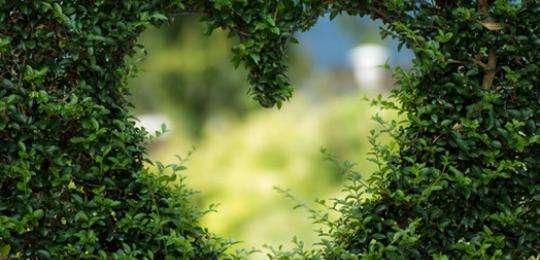
“It takes more courage to admit, you know, that you’re not as strong as everyone is saying or thinking that you are, and that actually makes you stronger too. That was the difference this time. I was able to just come out and say I need to do this.”
– Anthony Deegan, former patient and Recovery Advocate at Smarmore Castle
Gambling addiction treatment in Ireland
There’s no single best treatment for gambling addiction. The right approach depends on the severity of the addiction, how long it’s been going on, and whether there are other conditions to treat.
At Smarmore Castle, gambling addiction treatment is delivered in Ireland through a residential programme. That means you stay with us for the duration of your treatment, away from the apps, accounts, and environments that have been driving the behaviour. For many people, removing access is the first thing that allows recovery to begin.
-
Therapies for gambling addiction
The main therapy used in gambling addiction treatment is Cognitive Behavioural Therapy (CBT). A 2017 review of CBT for gambling disorder concluded that it’s likely the most effective method available. CBT works on the irrational thoughts that drive gambling, the belief that you can control the outcome, that you’re “due” a win, or that the next bet will fix things.
We also use motivational interviewing, which helps you work through your own reasons for wanting to change. Group therapy puts you in a room with people who’ve been where you are. One-to-one sessions go deeper, into the patterns that keep gambling going long after the wins have stopped.
For people with co-occurring conditions like substance use disorders, our alcohol use disorder and gambling addiction page outlines how we treat these together.
-
What does gambling addiction treatment involve?
A typical treatment journey at Smarmore Castle includes:
- Assessment: a confidential conversation about what you’ve been experiencing and what help you need.
- Residential stay: structured time at our gambling rehab in Ireland facility, with daily therapy, group sessions, and recovery work.
- Aftercare: a plan that begins before you leave, so you’re not facing the outside world without support.
- Peer support: connection to communities like Gamblers Anonymous Ireland, which many people find essential after residential treatment ends.
Treatment isn’t a quick fix, but it’s how most people who recover from gambling addiction achieve sustainable remission.
-
Life after gambling addiction treatment: continuing care and aftercare
Recovery doesn’t end when residential treatment does. Our continuing care programme starts before you leave Smarmore Castle, so you have a clear plan for the weeks and months ahead. This usually includes regular contact with our team, ongoing therapy, and connection to local peer support like Gamblers Anonymous Ireland. We also support families through this period, because the people closest to you are part of your recovery too.
Recovery, however, isn’t linear. Relapse rates can be high, but that never means treatment failed or that you’ve failed. It means a part of the plan needs adjusting.
How to help someone seeking gambling addiction treatment
If you’re a family member, friend or partner, we understand that the situation is exhausting. You may have found out about debts you didn’t know existed. You may feel angry, frightened, or both. You may be wondering whether to confront, support, or leave.
A few things tend to help:
- Don’t cover the debts. Paying off a loved one’s gambling losses often makes the issues worse, because it removes the consequences that might otherwise prompt them to seek help.
- Approach the conversation when neither of you is in crisis. Not straight after a loss. Not after a heated discussion.
- Look after yourself too. You can call us for guidance even if your loved one isn’t ready to. Family support is part of what we do.
- Be patient with the timeline. Recovery from gambling addiction isn’t generally fast. Knowing how to help someone with a gambling addiction often means accepting that you can’t make them ready, but you can be ready when they are.
Family involvement in treatment is associated with better outcomes. It helps rebuild trust, gives you a better understanding of what your loved one is going through, and reduces the chances of relapse.
Find out more about gambling addiction treatment
Contact us confidentially to find out more about the gambling rehab treatment options available.
Where to get help for gambling addiction in Ireland
If you’re ready to talk to someone, here’s where to start.
You can contact Smarmore Castle directly on +353 41 986 5080 for a confidential, no-obligation conversation. We can talk through what treatment looks like, answer your questions, and arrange an assessment if that’s the right next step.
If you’re not ready for residential treatment, or you want to explore other options first, these Irish services are a good starting point:
- Gamblingcare.ie national helpline: 1800 936 725. Free, confidential, and available to anyone affected by gambling, including family members.
- Gamblers Anonymous Ireland: peer support meetings across the country.
- HSE Gambling Services: information and referral pathways through the public health system.
There’s no wrong way to start. The first call is often the hardest.
Get Help Today
Frequently asked questions about gambling addiction
-
Can you recover from gambling addiction?
Yes. People recover from gambling addiction every day, including people who had been struggling for decades before they sought help. Recovery is realising that willpower is important, but so is the right combination of treatment, therapy, and support, sustained over time.
The urge to gamble fades gradually rather than disappearing overnight. Most people in recovery describe managing it ‘day by day’ for the first 12-18 months.
-
How do I stop my gambling addiction?
Knowing how to stop a gambling addiction usually starts with accepting that willpower alone isn’t enough. That’s how the condition works. Practical first steps that can help include:
- Self-exclusion from gambling sites and venues (most operators are legally required to offer this).
- Deleting gambling apps from your phone.
- Asking your bank to block gambling transactions on your account.
- Handing card and account access to a trusted family member temporarily.
These steps create space. They don’t replace treatment. For lasting recovery, most people need professional support alongside these practical changes.
-
How do I help a family member with a gambling addiction?
Start by learning about the condition rather than focusing on the behaviour. Don’t pay off their debts. Don’t issue ultimatums you can’t follow through on. Do let them know that help exists and that you’re willing to support them in getting it.
And get support for yourself, whether that’s through Gamblers Anonymous family meetings, your GP, or a confidential call to us.
-
Is gambling addiction linked to other addictions?
Yes. Gambling addiction shares brain reward pathways with substance addictions, which is why it often appears alongside alcohol use, drug use, or other behavioural addictions. Treating one without addressing the others tends to lead to relapse. Our page on alcoholism and gambling addiction covers how we treat these conditions together.