

Seek Help Now and Overcome Porn Addiction
Pornography has been back in the spotlight as governments look more closely at how it’s regulated online. In the UK, new rules are being introduced that will require age checks on websites hosting adult content, while Ireland is debating bringing in similar regulations.
A lot of the attention has focused on younger generations who’ve grown up with easy, often unrestricted access to online pornography. That said, concerns about pornography aren’t limited to any one age group, and for some people, their relationship with porn shifts in ways that feel difficult to manage, sometimes developing into porn addiction.
Despite how widely it’s consumed, porn addiction is still difficult to talk about openly, often because of shame and stigma.
If you’re worried about your own relationship with porn, or you’re trying to support a partner or loved one, Smarmore Castle offers a confidential space to talk things through and explore treatment options tailored to your needs.
In this piece we’ll cover:
What is porn addiction?
So, how do we define porn addiction? Porn addiction is often described as a pattern of pornography use that starts to feel out of control or has a severe, negative impact on your life. You might also hear clinicians refer to it as compulsive sexual behaviour or problematic porn use. Still, what matters most isn’t the label or how often someone watches porn, but whether they feel able to stop when they want to.
Over time, it can become a go-to response to stress, boredom, loneliness or difficult emotions. When porn addiction takes hold, stepping away from the pattern can be a lot harder than expected, even when someone genuinely wants to stop.
When does porn become an addiction?
Like many addictive behaviours, problematic porn use often starts out as a solution before gradually becoming the problem. It tends to become a porn addiction when the reason for using it changes, and it starts to act as a way of coping with stress, boredom or difficult feelings.
Alcohol offers a helpful comparison. It’s legal and widely accepted as part of day-to-day life. Some people can drink heavily without it affecting them emotionally, while others drink casually from time to time. The problem usually arises when alcohol becomes a way of coping and something relied on to manage how someone feels. That’s often when it starts to interfere with daily life, affecting everything from relationships and sleep to confidence and self-esteem.
Porn can follow a similar pattern. When it becomes a way of coping and stops being a choice, it’s more likely to start causing harm and harder to step away from.
Why is porn so addictive?
There’s rarely one single reason someone’s relationship with porn becomes difficult. As mentioned earlier, porn addiction symptoms and behaviours are often tied to emotional needs, and that remains an important part of the picture. It may also be more prevalent in susceptible individuals. At the same time, it’s worth recognising that the way porn is presented online and the design of many sites can play a part.
Modern porn platforms are built to hold attention for as long as possible, using features like endless scrolling, autoplay and recommendation systems that remove natural stopping points. Because we’re naturally drawn to novelty and stimulation, the constant availability of new content makes it easy to keep going without always making a conscious decision to do so.
This doesn’t mean that everyone who watches porn will develop an addiction, but it does help explain why stepping away can feel harder than expected, and why changing patterns of use often takes more than willpower alone.

Download our Brochure
The side effects of porn addiction
The side effects of porn addiction often touch more than one part of life. You might notice:
- Feeling low, anxious or irritable, especially after using porn or when trying to cut back
- A drop in confidence, alongside shame or the sense that part of your life is being kept hidden
- Reduced interest in real-life intimacy, or difficulty staying emotionally present with a partner
- Tension in relationships, including secrecy, repeated arguments or loss of trust
- Disrupted sleep, difficulty concentrating, or a general sense of mental fog
- Spending longer than intended, or moving towards content that no longer fits with your values
- Strong urges or restlessness when you try to quit porn addiction, sometimes paired with mood swings
- Loss of confidence, shame, or a sense of living a ‘double life’
- Reduced interest in real-life intimacy, or difficulty feeling present with a partner
- Relationship conflict, secrecy, or broken trust
- Sleep problems, productivity issues, and difficulty concentrating
- Spending more time than you intend, or escalating to content that no longer aligns with your values
- Uncomfortable withdrawal-like symptoms when you try to stop, such as restlessness, urges and mood swings
Porn addiction effects aren’t always easy for others to see. From the outside, someone may appear to be coping well, while privately feeling stuck or out of control. That disconnect can be deeply isolating, especially when it feels hard to explain what’s really going on.
When someone tries to stop after regular use, they may also notice porn addiction withdrawal symptoms. Irritability, anxiety, restless sleep, or strong urges to return to old habits are common, and low mood or emotional flatness can appear in the early stages, too. These experiences can feel unsettling, but they don’t last forever. Having the right support in place can make this period feel far more manageable.
For many people, the hardest part isn’t the behaviour itself, but the shame wrapped around it. Porn sits at an uncomfortable crossroads between sex, morality and self-control, which can leave people feeling they should be able to deal with it on their own, without asking for help.
It’s important to remember that porn addiction is rarely about a lack of values or character. More often, it points to something else going on underneath, such as stress, loneliness, anxiety, low mood, or experiences that haven’t yet been worked through. Approaching it with understanding rather than judgement can make space for change.
How to stop porn addiction
If you’re wondering how to get out of porn addiction, it’s rarely about willpower alone. Many people who struggle have already tried to stop on their own, sometimes more than once. What often makes the difference is understanding what’s driving the behaviour and getting the right support in place.
A helpful starting point is being honest with yourself about what’s going on. That might mean noticing triggers, recognising how porn has become part of your routine, and being open to what it may be helping you avoid.
Practical steps can also make a difference. Limiting access to devices at high-risk times, finding alternative ways to manage difficult emotions, and opening up to someone you trust can all help. For many people, porn addiction counselling is particularly useful when use is linked with anxiety, depression, relationship difficulties or past trauma.
When it comes to treatment, Cognitive Behavioural Therapy (CBT) usually focuses on understanding the role porn has played and developing healthier ways of coping, while also addressing any underlying mental health concerns.
At Smarmore Castle, we offer a residential addiction treatment programme designed to support compulsive behaviours alongside emotional wellbeing. If you’re trying to help someone with porn addiction, approaching the conversation without judgment is key. Shame often keeps people stuck, while feeling supported can make change feel possible. Support is available for partners and families, too, and you can read more about supporting a partner addicted to porn.
Porn addiction recovery
Recovery from porn addiction is possible, and with the right support, many people rebuild a healthier relationship with themselves, their emotions and their partners.
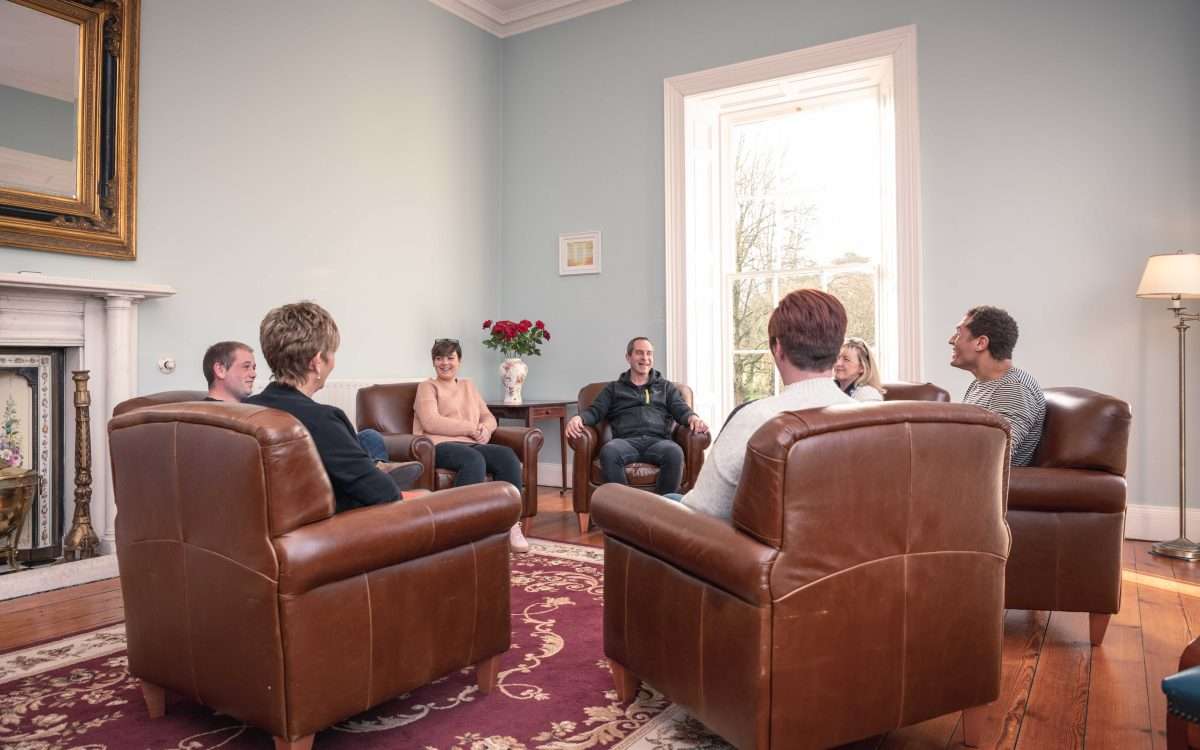
How to recover from porn addiction looks different for everyone, and at Smarmore, we don’t believe in one-size-fits-all treatment. Some people find that outpatient therapy gives them enough space to make changes, while others benefit from a period of residential treatment at a private rehab that offers more structure and distance from everyday pressures.
Whatever the route, we work with people through each stage of porn addiction recovery, from the first conversation to ongoing aftercare, helping them build changes that last.
Reaching Out
Frequently Asked Questions
-
Is there a link between porn addiction and ADHD?
Some people with ADHD report higher impulsivity or difficulty delaying gratification, which can make sexual behaviours harder to manage. Research suggests there’s a link between ADHD and problematic porn use, though it doesn’t affect everyone in the same way. However, there is a lack of clear evidence linking ADHD to problematic porn usage. To put it simply, the ADHD brain often craves stimulation more than a neurotypical person might, and porn offers an easy, instant source of it.
Research also indicates that pornography use in people with ADHD may serve as a form of “self-medication” to cope with stress, anxiety or low mood.
None of this means that having ADHD will inevitably lead to problems with porn, but what it does suggest is that if both are present, they’re worth addressing together. A clinician who understands ADHD can help you work out whether impulsivity, emotional regulation, or something else is driving the pattern, and what kind of support might help.
-
Am I addicted to porn?
You might be if porn feels out of your control and is causing harm or distress. Signs include repeated failed attempts to stop, secrecy, the problem getting worse, and negative effects on relationships, mood, sleep or daily life. A professional assessment can help you understand what’s going on without judgment.
-
Is porn addiction real?
Many people experience porn use that feels compulsive and damaging, and that struggle is real. Clinicians don’t all use the same label, and some prefer terms like ‘compulsive sexual behaviour’ or ‘problematic porn use’. Either way, if it’s affecting your wellbeing or your relationships, it deserves support and treatment.
Get porn addiction help today
If porn use is taking more than it’s giving, you can talk to Smarmore Castle in confidence. We’ll listen, answer your questions, and explain what treatment could look like, step by step.
Learn more about why choose Smarmore or visit our rehab admissions page to get started. You can also call our team on 041 986 5080 or contact us using the form below.
Schedule Your Assessment
If you or a loved one are struggling, our team is here to help – contact us in confidence today.