

Effective therapies for addiction address both the substance use itself and what’s driving it. Smarmore Castle is a private residential addiction treatment centre in Ireland, providing addiction therapy services as part of a medically supervised programme.
No two people arrive needing the same approach. Before treatment starts, each person goes through a detailed evaluation covering physical and mental health, and personal history. Their personalised therapy programme is then built on what that evaluation finds, and the approaches that will benefit them the most.
The range of options runs from Cognitive Behavioural Therapy (CBT) to equine therapy and group work. Each person’s plan is reviewed and adjusted as treatment progresses, with the flexibility to respond to any emerging needs.
If you’re looking into addiction therapy for yourself or someone in your life, understanding the options can help you decide on the right treatment path.

What to expect from addiction treatment
Table of Contents
Addiction therapy approaches at Smarmore Castle
-
Cognitive Behavioural Therapy (CBT)
Cognitive Behavioural Therapy (CBT) helps identify the thought patterns that drive addictive behaviour and changes your response to them.
-
Grief therapy
Grief therapy addresses unresolved loss that may be contributing to addiction, working through individual and group sessions.
-
Personal therapy
Personal therapy is one-to-one work with your assigned therapist, focused on the underlying causes specific to your situation.
-
Lectures and workshops
Lectures and workshops provide the educational foundation of treatment, covering addiction, recovery, and how to sustain it.
-
Women-only addiction therapy
Women-only addiction therapy gives women a dedicated space to address experiences they may not feel comfortable discussing in a mixed group.
-
Complementary therapies
Complementary therapies, including equine therapy and art therapy, support the emotional work of recovery alongside the clinical programme.
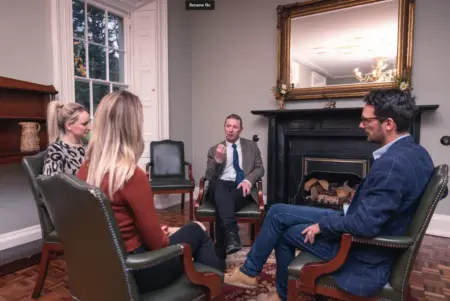
What is addiction therapy, and how does it actually work?
Therapy looks at every part of addiction, where it’s come from, what’s feeding it, and how to build a life without substances. Clinicians decide which combination of approaches can help the patient work through all of those challenges.
-
Why therapy is central to addiction treatment
Detox is the first part of addiction treatment, but it only addresses the physical aspect. Addiction is an illness with physical, mental, emotional, and social aspects, and all need attention for recovery to hold.
Around 1 in 4 people with a serious mental health condition also live with a substance use disorder. This includes both alcohol and drug dependencies.
Two conditions existing together is called comorbidity. It can make both conditions harder to treat because of how they interact and fuel each other. For example:
- Anxiety or depression could drive substance use
- Substance use can then make anxiety and depression worse.
- Anxiety and depression can then worsen, driving increased substance use.
Treating only one means the other continues to create the distress that makes drugs or alcohol seem necessary.
Therapy addresses what is underneath the addiction so there’s no longer a reliance on substances to cope.
-
Evidence-based therapies for addiction: what the research supports
Cognitive Behavioural Therapy (CBT) is a highly researched approach in addiction therapy methods. It works by identifying the thought patterns that lead to addictive behaviour and changing the response to them. CBT has been shown by research to work both on its own and as part of a broader programme.
Trauma-informed therapy is used when addiction is rooted in unresolved trauma. For many people in treatment, substance use began as a way of managing pain that had no other outlet. Therapy that addresses the trauma directly can make recovery sustainable by helping you resolve or manage the distress differently.
Group therapy sessions take place every day and are at the heart of everything we do. Hearing others describe what you’ve been through often accelerates emotional work that individual therapy takes much longer to reach. They also help patients bond and create a sense of community.
Alongside these clinical approaches, Smarmore Castle offers complementary therapies for people who open up more easily when they’re doing something rather than talking.
For example, art therapy lets you express what you’re experiencing through something creative, rather than needing words to explain. Mindfulness teaches you to stay present with difficult feelings without acting on them.
-
How does Smarmore Castle decide which therapies are right for you?
On arrival, you’ll go through a comprehensive assessment covering your medical history, mental health, trauma history, family background, and personal circumstances.
The assessment is reviewed by a multidisciplinary team, including psychiatrists, therapists, and nursing staff. Different addiction therapy approaches are then chosen based on what the assessment finds.
For instance, if addiction is rooted in unresolved loss, grief therapy will be a key part of their plan. This is decided on a person-by-person basis.
-
Addiction and mental health: treating both at once
In European treatment settings, it’s estimated that between 42-90% of people with a substance use disorder have or have had a co-occurring mental health condition. Among people with serious mental illness attending mental health services, it was estimated that 30-50% also have a substance use disorder.
These numbers mean that treating addiction without addressing mental health is rarely enough. The two conditions affect each other, so when only one is treated, the other tends to undermine recovery.
At Smarmore Castle, the initial evaluation identifies co-occurring mental health conditions on day one. This allows us to plan therapy effectively and treat all conditions at once.
Download our Brochure
What to expect from addiction therapy at Smarmore Castle
Treatment at Smarmore Castle starts with the assessment and works outward from there.
-
Your first step: assessment and treatment planning
When you get in touch with our team, the first conversation is a free assessment. This conversation doesn’t commit you to anything.
Once you decide to go ahead, a full clinical assessment takes place on the first day. From that, the team builds your treatment plan, which can be adjusted if your needs change or something isn’t working.
More about the treatment process is on our inpatient treatment page.
-
Therapy doesn’t stop when you leave
Leaving residential treatment is a transition point in a longer process. Recovery takes far longer than a few weeks in active inpatient treatment, and the clinical team at Smarmore Castle starts building your continuing care plan from day one.
Our continuing care programme extends therapy and support beyond discharge. That includes group sessions and access to our alumni network as life outside treatment begins.
If you’d like to understand what that looks like for your situation, talk to our admissions team about what’s right for you.
More about the long-term approach is on our treatment model and 12 Step programme pages.
Find Us
041 986 5080
info@smarmorecastle.ie
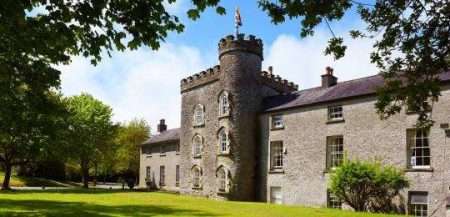
Smarmore Castle Clinic, near Ardee, County Louth, Ireland A92 YY22
If someone in your life is seeking addiction therapy
The person researching addiction therapy is often doing it for someone in their life. Our admissions team often speaks to concerned friends and family long before the person themselves.
-
How family therapy supports the whole recovery
Including family members in treatment makes long-term recovery more likely.
Family therapy at Smarmore Castle brings family members into the treatment process. Sessions help rebuild communication that addiction has damaged and give families a clearer picture of how to support recovery.
Online workshops for family members run throughout the residential stay and are covered within the cost of treatment.
Get Help Today
Frequently asked questions about therapies for addiction
-
What types of addiction therapies are covered by Irish health insurance?
Cover varies by policy. Many Irish health insurance providers, including VHI and Laya Healthcare, cover a portion of residential addiction treatment. Drug addiction therapy cost depends on your level of cover and length of stay. The admissions team at Smarmore Castle can check your policy directly.
-
How much does addiction therapy cost in Ireland?
The cost of residential addiction therapy in Ireland depends on the length of treatment and the level of care required. Smarmore Castle discusses costs confidentially as part of the admissions process. In some cases, HSE funding or health insurance may cover part or all of the cost.
-
Which clinics in Ireland offer specialised addiction therapy programmes?
Smarmore Castle is a residential addiction treatment centre near Ardee, County Louth. The programme runs from Cognitive Behavioural Therapy (CBT) and trauma-informed therapy through to equine therapy and mindfulness, all under a consultant psychiatrist-led clinical team. We accept patients from across Ireland and internationally.
-
Can I access addiction therapy in Dublin?
Smarmore Castle is located in County Louth, just over an hour from Dublin by road. Patients travel from Dublin and across Ireland regularly. Alcohol addiction therapy and drug addiction therapy are available through the residential programme to anyone in Ireland, including those based in Dublin.
-
What is the difference between therapies for drug addiction and alcohol addiction?
The core therapeutic approaches used for drug and alcohol addiction overlap considerably. CBT, trauma-informed therapy, and group work are effective across both. What differs is the medical picture. Alcohol dependency typically requires a medically supervised detox, for example, which some drug dependencies may not. Stimulant addiction often involves a significant mood crash in early recovery that shapes the early weeks of therapy. Your treatment plan is built around your individual clinical picture.