

If you’re considering drug and alcohol addiction assessment, it helps to know exactly what you’re being offered. Terms can be confusing, and there are services that offer something for free, only to ask for payment later.
At Smarmore Castle, we provide a free pre-admission screening. This is a confidential conversation with one of our admissions team to find out whether residential treatment with us is the right fit for you. It’s not a full clinical assessment, and it’s important to understand the difference.
A full drug and alcohol addiction assessment is a structured clinical service, usually paid for, that produces a formal diagnosis and written treatment recommendations. This comes after admission at Smarmore Castle, so we can create an individual treatment plan that fits your needs.

Free addiction pre-assessment
What is a drug and alcohol addiction pre-assessment?
-
What does a full drug and alcohol addiction assessment involve?
A full clinical assessment is a structured, in-depth process carried out by a qualified clinician. It typically involves a detailed interview covering your history with alcohol or drugs, your mental and physical health, and the impact on your daily life. From that, the clinician builds a clinical picture and produces a formal written report with treatment recommendations.
Clinicians rely on validated screening tools for this assessment. The Alcohol, Smoking and Substance Involvement Screening Test (ASSIST), developed by the World Health Organization, is one widely used instrument designed to detect and manage substance use and related problems across clinical settings. It covers multiple substances and requires a trained clinician to administer.
For drug-related concerns specifically, the Drug Use Disorders Identification Test (DUDIT) is an 11-item screening instrument developed to complement the AUDIT for alcohol.
A full assessment takes time and you usually pay for it. The result is a formal written report with treatment recommendations, a clinical document you can take to any provider.
-
Smarmore Castle’s free pre-admission screening
Our free pre-admission screening is a phone call with one of our admissions team. It typically takes between 20 and 45 minutes. At the end of it, you’ll have a clear sense of whether residential treatment at Smarmore Castle is likely to be right for you at this point in your life.
We’ll ask what you’ve tried before and what you’re hoping treatment might change. We’ll also ask about your health and any other circumstances we need to know about.
The screening is designed to give you the best advice possible. If Smarmore Castle is a good fit, we’ll explain what the next steps look like. If we’re not right for you, we’ll point you toward something more appropriate.
The call doesn’t produce a formal written report. If you’ve been told by a GP or another clinician that you need a full assessment, that’s a separate step from this.
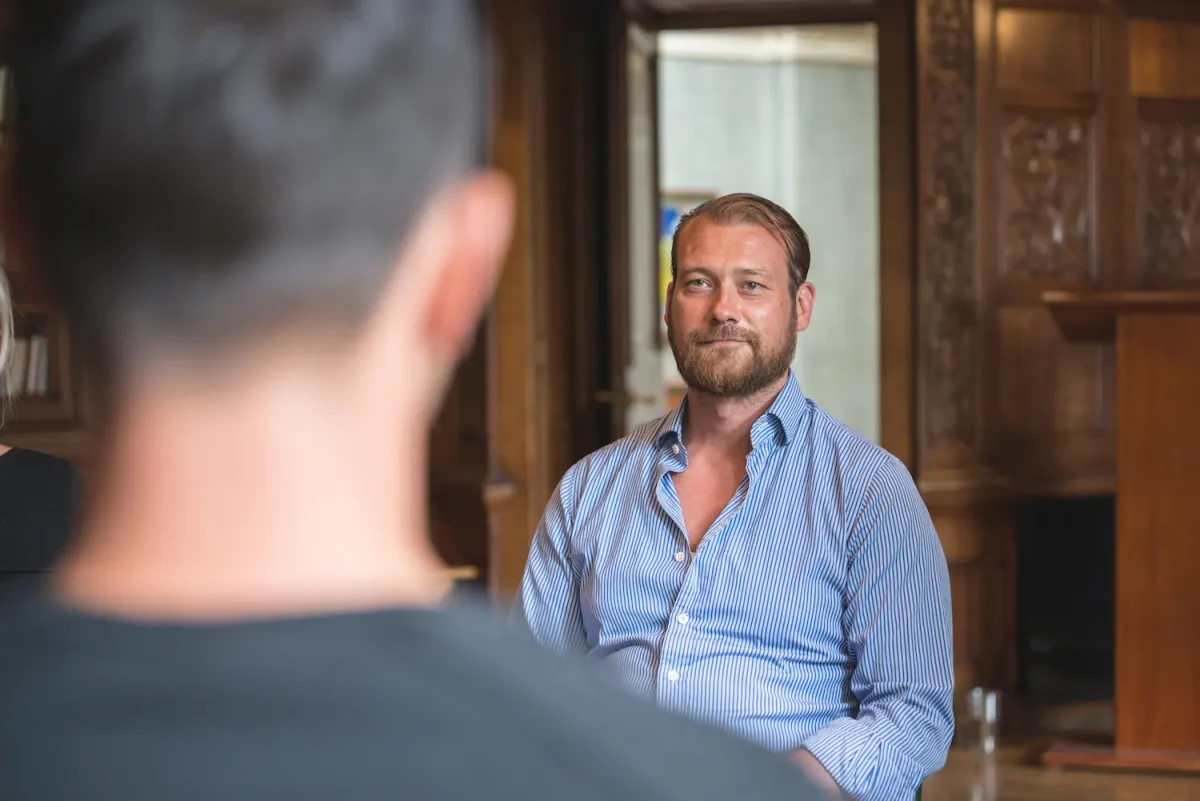
“It takes more courage to admit, you know, that you’re not as strong as everyone is saying or thinking that you are, and that actually makes you stronger too. That was the difference this time. I was able to just come out and say I need to do this, I want to get my maintenance and all that sort of stuff, and it was part of that just being willing to do whatever it takes. Being suggested to say look, ‘I’m not okay, but I will be alright, I’ll get through this just give me a little bit of space. What I could describe… it’s totally different for everyone. We say all the time in the fellowships — you can’t describe it just come on and do it, give it a go and experience it for yourself.”
What to expect when you get in touch with Smarmore Castle
-
Ireland’s only private, family-run residential rehab
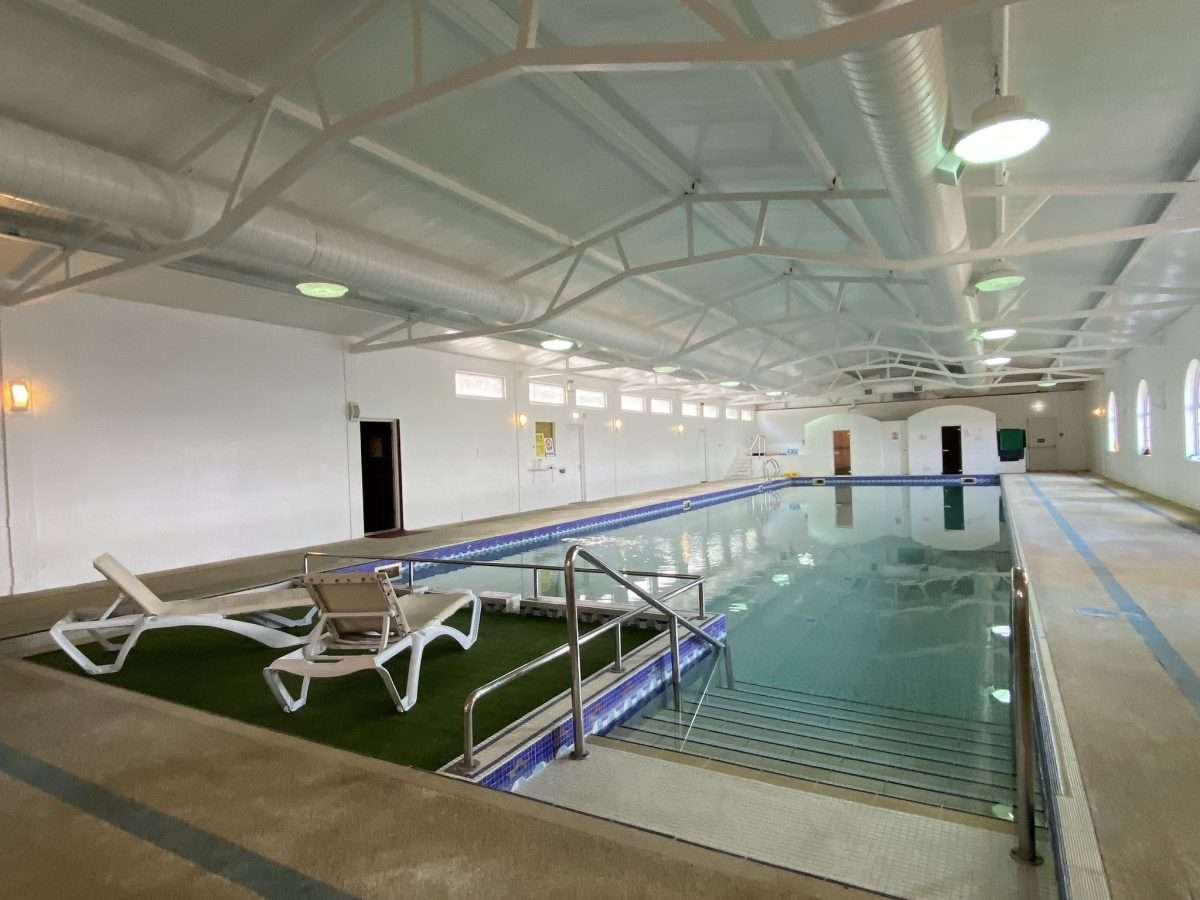
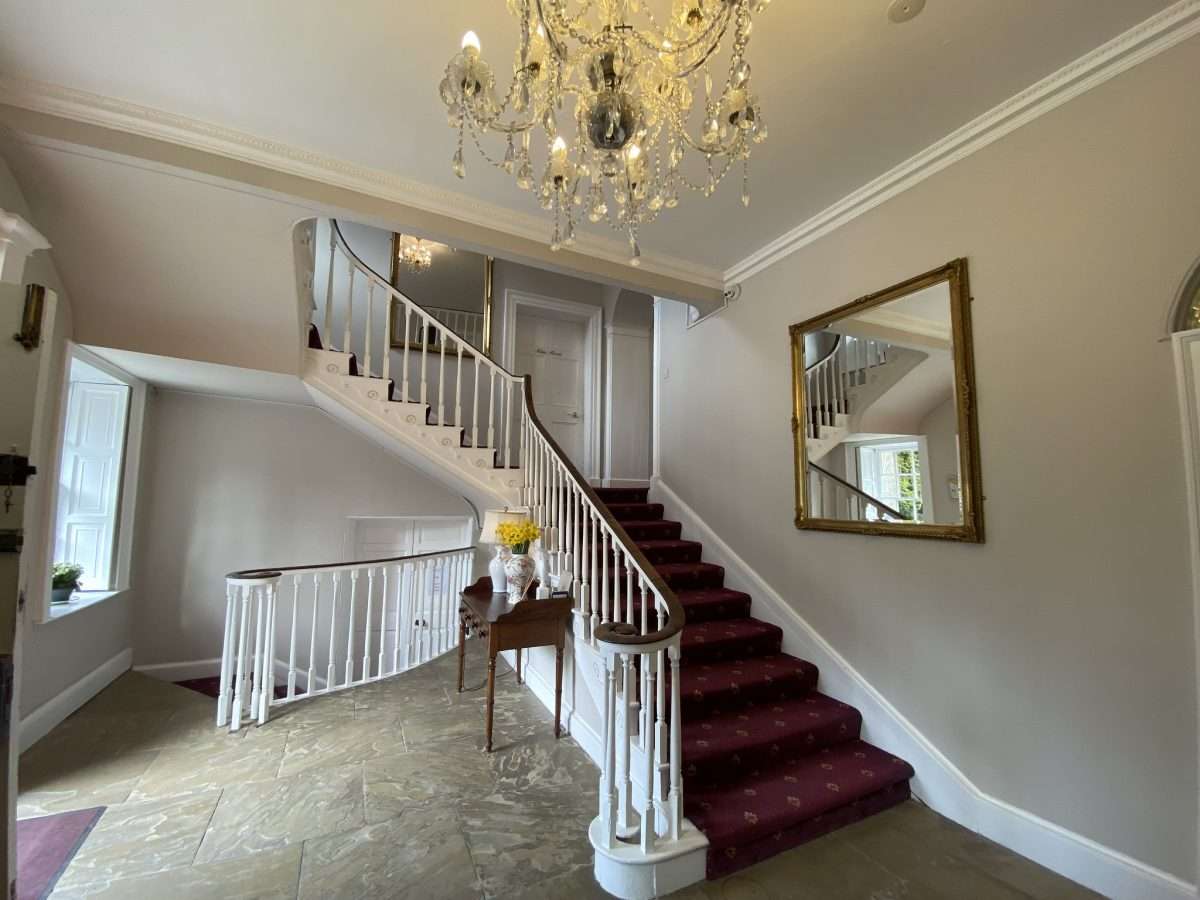
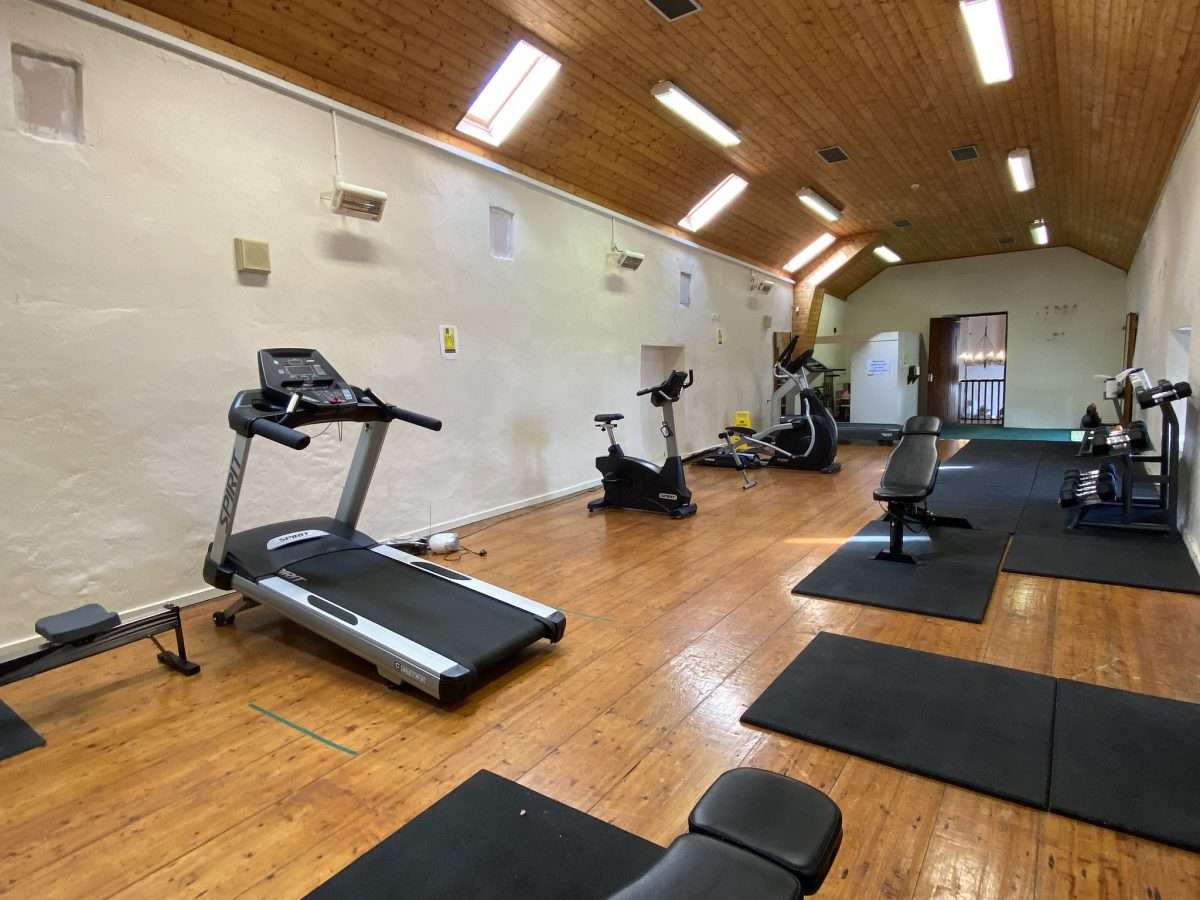
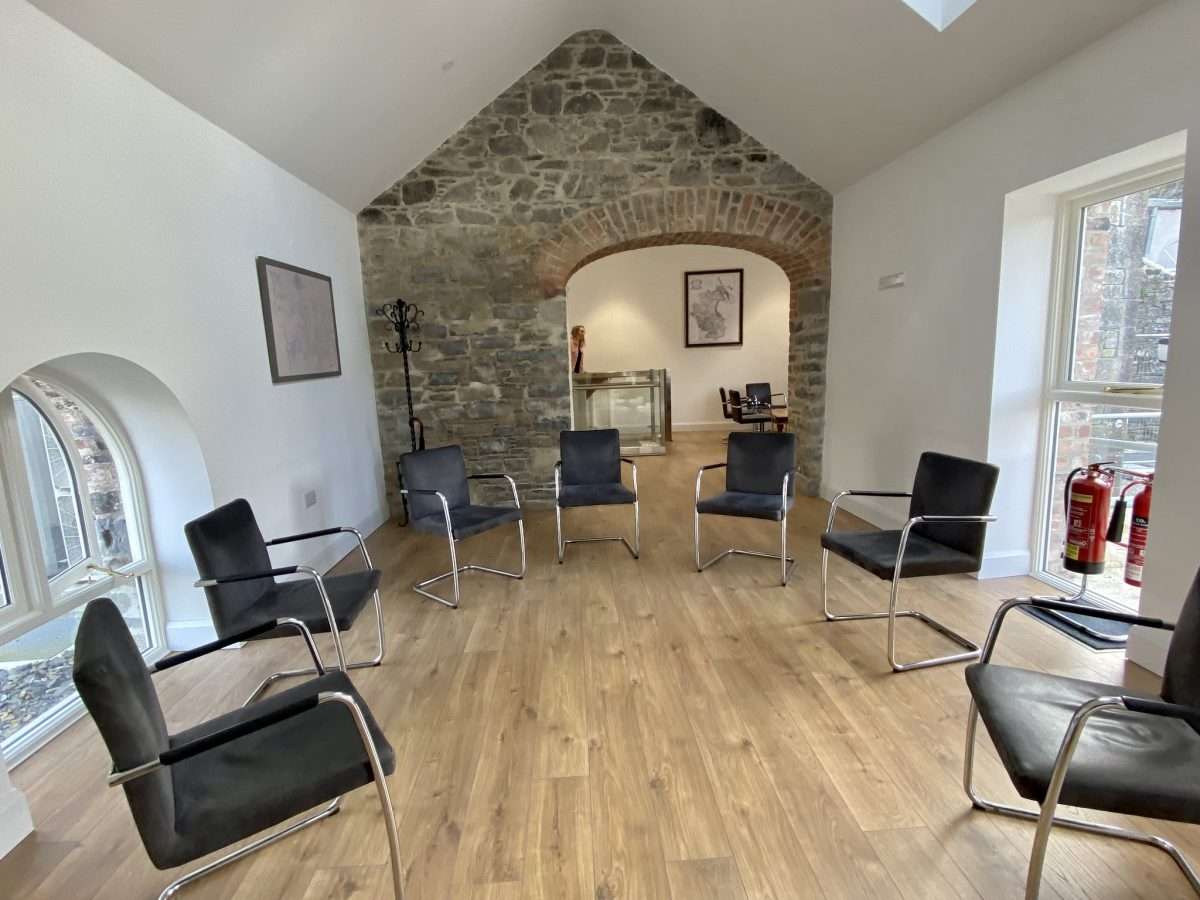
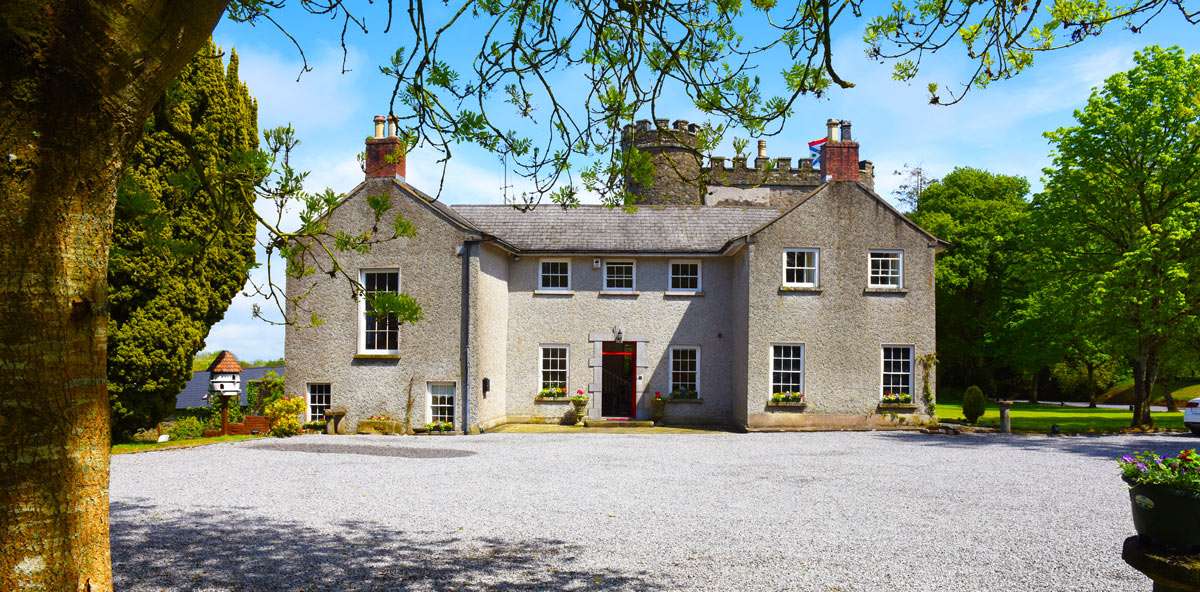
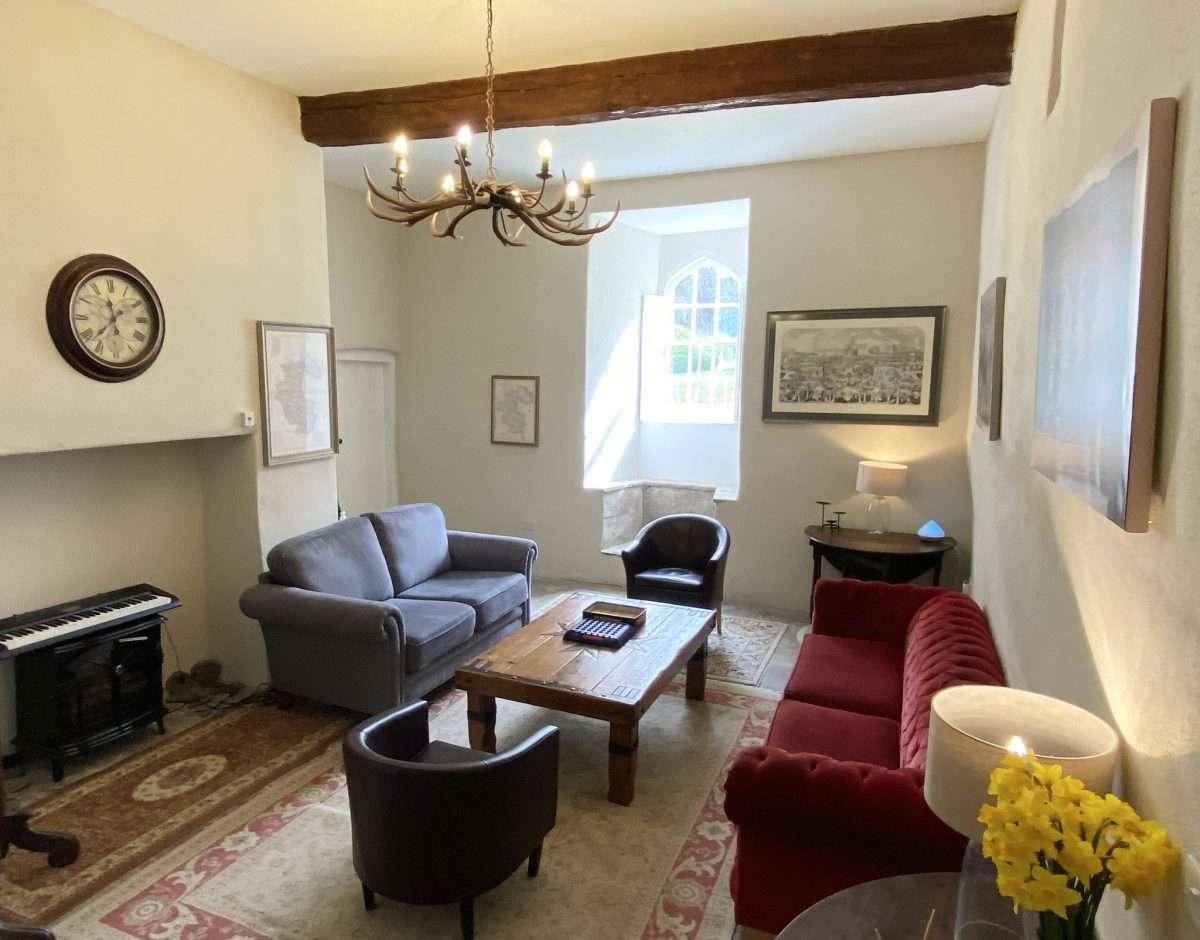
Smarmore Castle has been treating addiction in Ireland for over 35 years. We’re ISO 9001 and CHKS accredited. The estate covers 15 acres in County Louth, 45 minutes from Dublin. Treatment takes place inside an historic 14th-century castle.
When you call, you’ll speak to an experienced member who can give you a straight answer about whether we’re the right fit.
If you’d prefer not to call, you can start the conversation online. A callback request or contact form gives you a way to get in touch without committing to a phone call straight away. Whichever way you choose, the conversation begins on your terms.
If you want to understand what treatment at Smarmore Castle involves before you call, you can read more about our approach to treatment. If cost is a question, you can find out about the cost of addiction rehab without having to speak to anyone first.
Book Your Free Addiction Assessment Today
Speak with a member of our intake team, who will provide an assessment before you begin treatment.

If someone in your life is concerned about alcohol or drug use
If you’re searching on behalf of someone in your life, you can call us directly. You don’t need the person you’re concerned about to be present, and you don’t need their permission to ask us questions.
Most of the people who call us about someone in their life have been dealing with it largely alone. The call is a chance to talk through what you’re seeing and what your options are.
It can also help to read about alcohol addiction or drug addiction to understand more about what the person in your life might be experiencing.
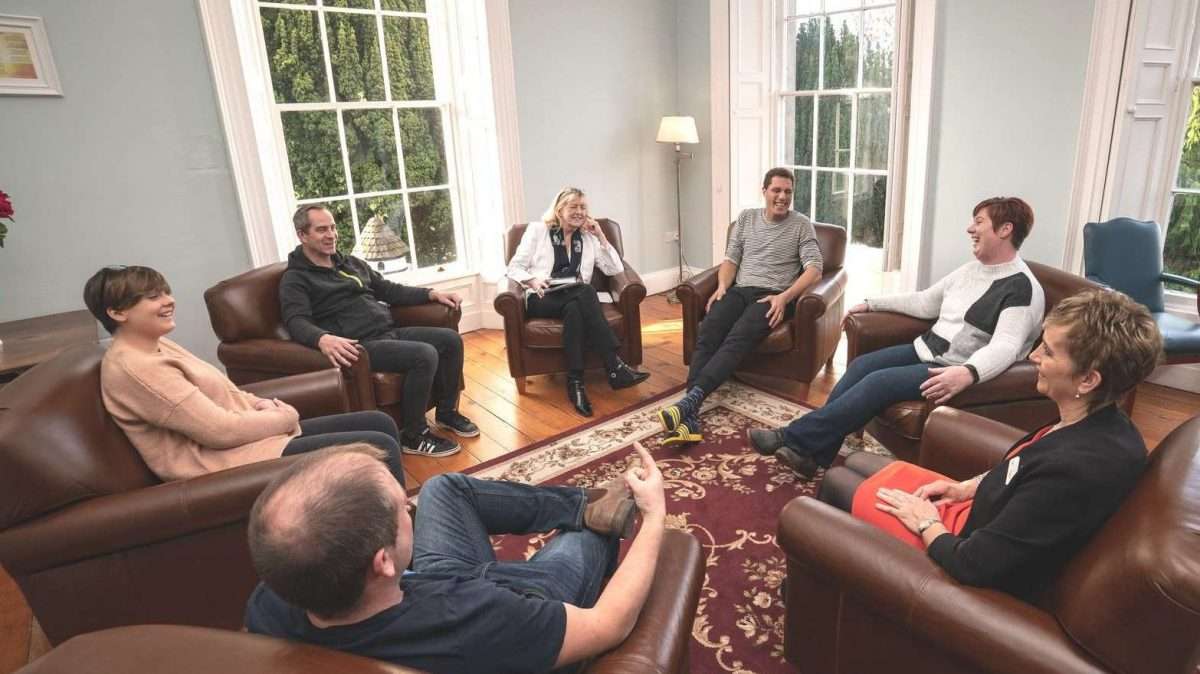
Family therapy is offered for free in all Smarmore Castle treatment programmes. The people around the person in treatment are an important part of the recovery, and we include them from the start.
Get Help Today
Frequently asked questions about drug and alcohol addiction assessment
-
What are the best alcohol addiction assessment tools used in Ireland?
Full clinical assessments use several validated tools. The Alcohol Use Disorders Identification Test (AUDIT) is the most widely used instrument for identifying harmful alcohol use. For drug-related concerns, the DAST-10 (Drug Abuse Screening Test) and CAGE questionnaire are commonly used alongside the AUDIT.
The DUDIT (Drug Use Disorders Identification Test) is an 11-item validated instrument developed specifically to complement the AUDIT for alcohol. These tools are used by clinicians within formal paid assessments, not as self-assessment questionnaires, and they are not part of Smarmore Castle’s free pre-admission screening.
-
Where can I get a confidential alcohol dependency evaluation in Dublin?
Smarmore Castle is 45 minutes from Dublin by road, and our pre-admission screening can be done by phone from anywhere in Ireland. You don’t need to come to us to have the initial conversation.
If you’re looking for a full alcohol addiction assessment near Dublin, your GP can refer you through HSE addiction services. Private clinical assessments are also available from addiction psychiatrists and psychologists. An online alcohol addiction assessment can be a useful starting point, but a conversation with a clinician will give you a more complete picture.
-
Are there free online resources for assessing alcohol or drug use in Ireland?
Self-assessment tools are available online, including publicly available versions of the AUDIT for alcohol. If you want a drug addiction self assessment, tools like the DAST-10 are publicly available. The HSE also publishes online drug and alcohol resources. These can be useful for building a picture of your own use, but they’re not a substitute for speaking to someone.
The ASSIST screening tool, developed by the World Health Organization, was specifically designed for use by trained clinicians in primary care settings, not for self-administration. A questionnaire gives you a score, then a clinical conversation advises you on what to do about it.
An online drug addiction assessment is a useful first step, but a phone call with our admissions team will tell you whether Smarmore Castle is the right place for you.
-
What steps follow a positive alcohol addiction assessment result?
If a full clinical assessment has recommended residential treatment, the next step is finding the right provider. A pre-admission screening at Smarmore Castle is how that conversation starts. You don’t need to repeat the clinical assessment with us. The screening is about fit, not diagnosis.
We’ll want to understand what the assessment found, what treatment has been recommended, and whether our programme matches what you need. If it does, we’ll explain the admissions process and what happens from there.